Showcase: Howe Elementary After School Activities Build Wellness and Confidence
At Howe Elementary, an after school grant helped turn extra time after the bell into something meaningful. Under Jennifer Dixon’s leadership, students spent that time moving their bodies, building healthy habits, and connecting with one another in positive ways. The program was designed to get kids outside, off electronics, and engaged in activities that reduced stress, boosted mood, and improved large motor skills.
Just as important, the program helped students grow in ways that reached beyond physical activity. Through outdoor experiences, shared snack time, and group events, students practiced conversation skills, work ethic, conflict management, and community-building. Over the course of half the school year, the grant supported experiences that reinforced Howe’s core values of being safe, respectful, and responsible while giving students new ways to feel confident, capable, and connected.
A Grant Designed to Support the Whole Child
This grant was about more than keeping students busy after school. It was built around a clear goal: help children feel better, move more, and learn how to enjoy healthy, active time with others.
The program used research-based approaches to build self-esteem, motivation, and physical activity. Students were given opportunities to try new things, spend time outdoors, and take part in structured activities that supported both wellness and character development. That combination made the program especially powerful. Students were not only exercising; they were also learning how to encourage one another, make responsible choices, and take pride in their growth.
In short, the grant created a space where physical health, emotional well-being, and social learning could happen together.
Activities That Got Students Moving and Engaged
Students took part in a wide range of activities across the winter and spring. Each one offered a different way to build confidence, practice skills, and enjoy movement in a fun and supportive setting.
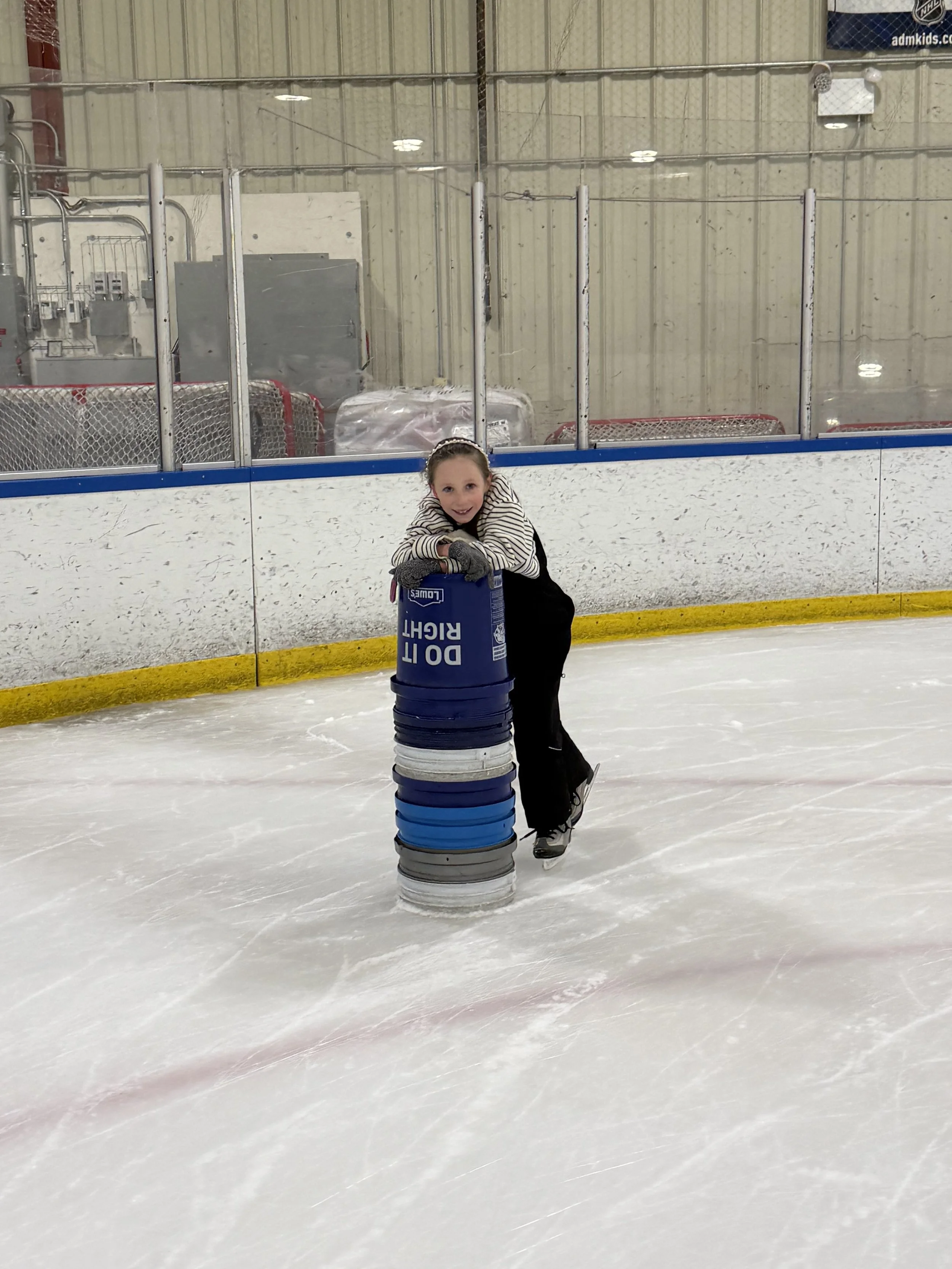
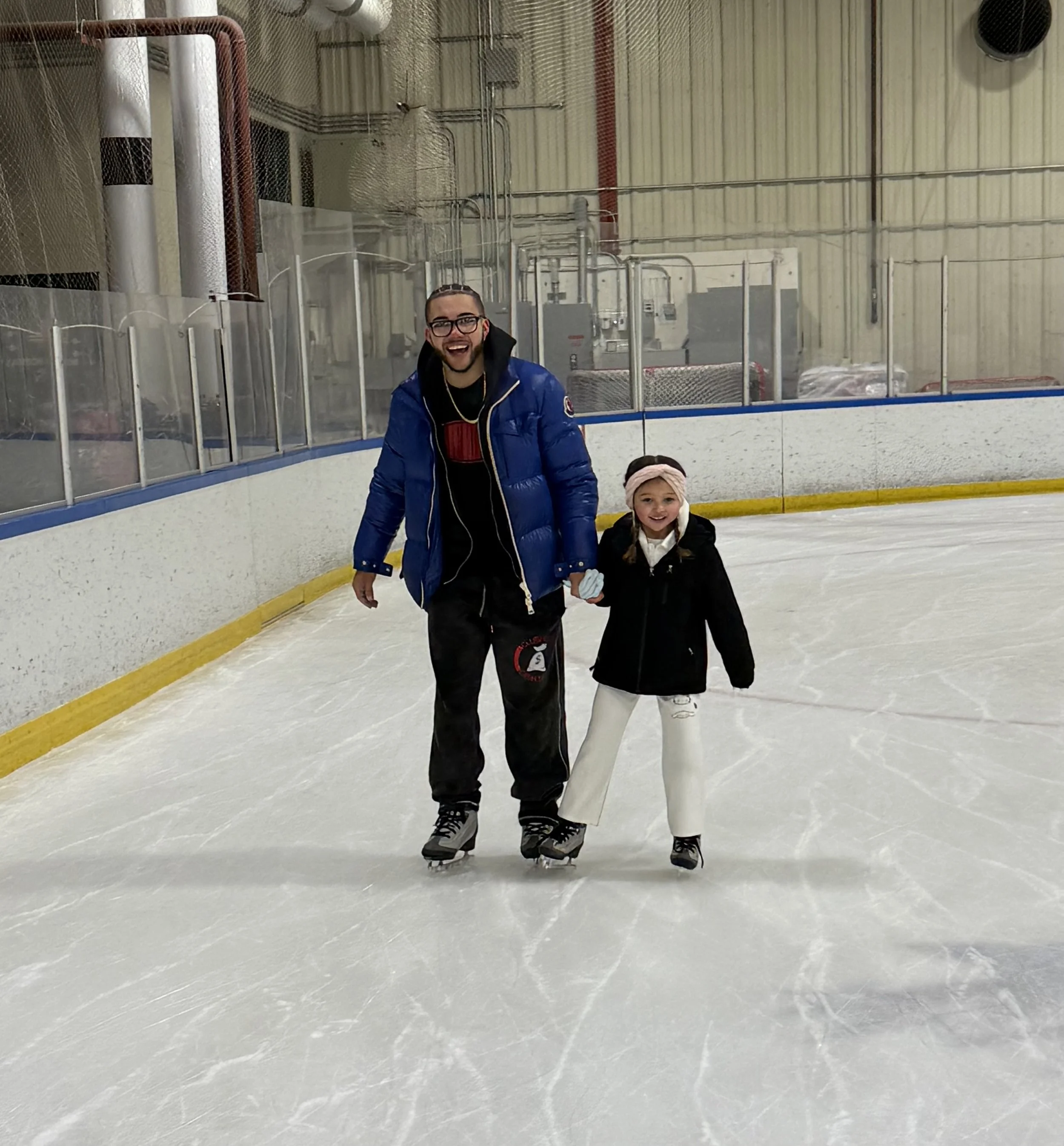
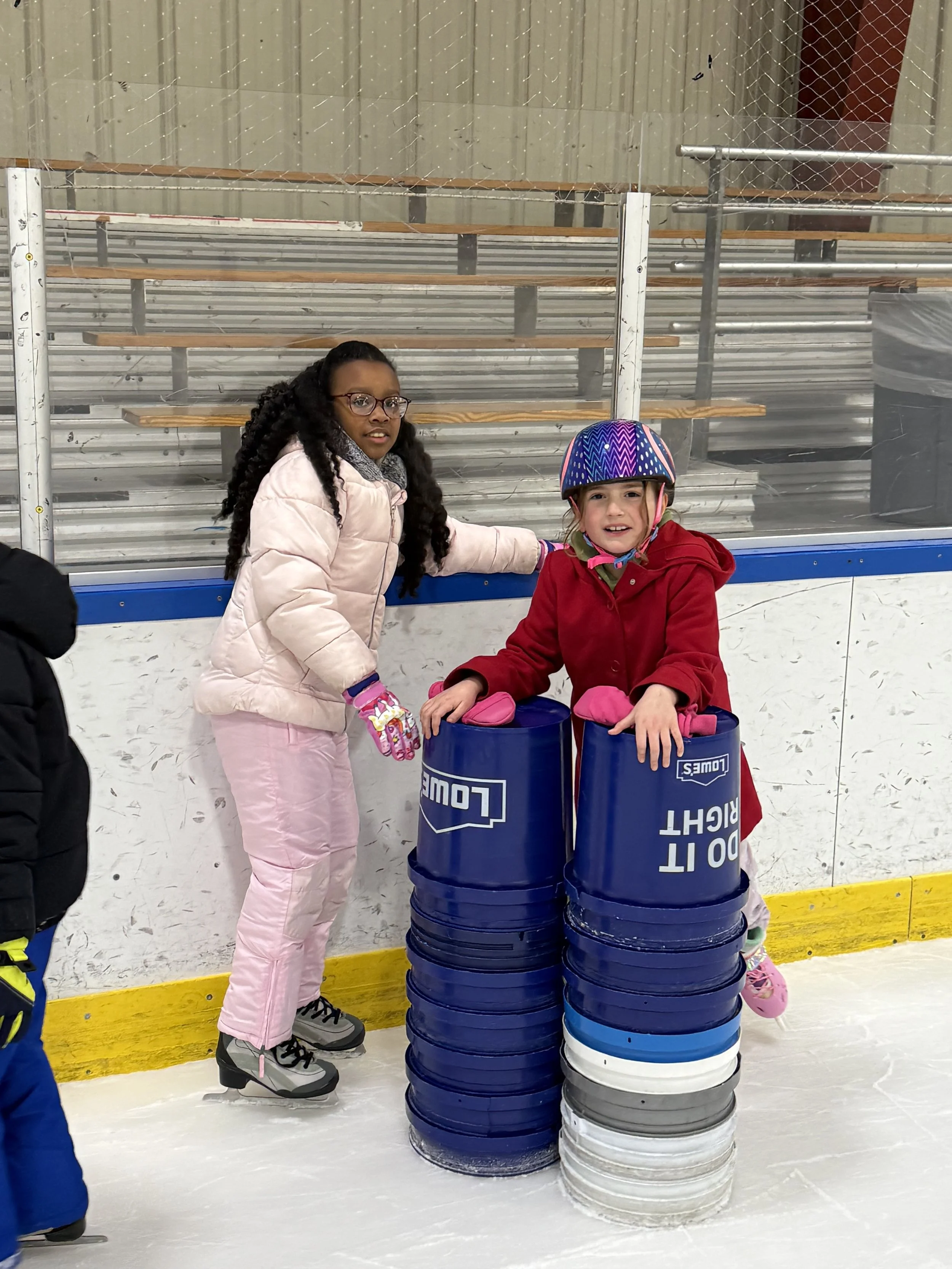
Winter activities included sledding and ice skating, giving students the chance to be active outdoors while enjoying seasonal fun. These events also created natural moments for students to practice responsibility and earn participation through positive behavior, attendance, and the use of “Howe Bucks.”
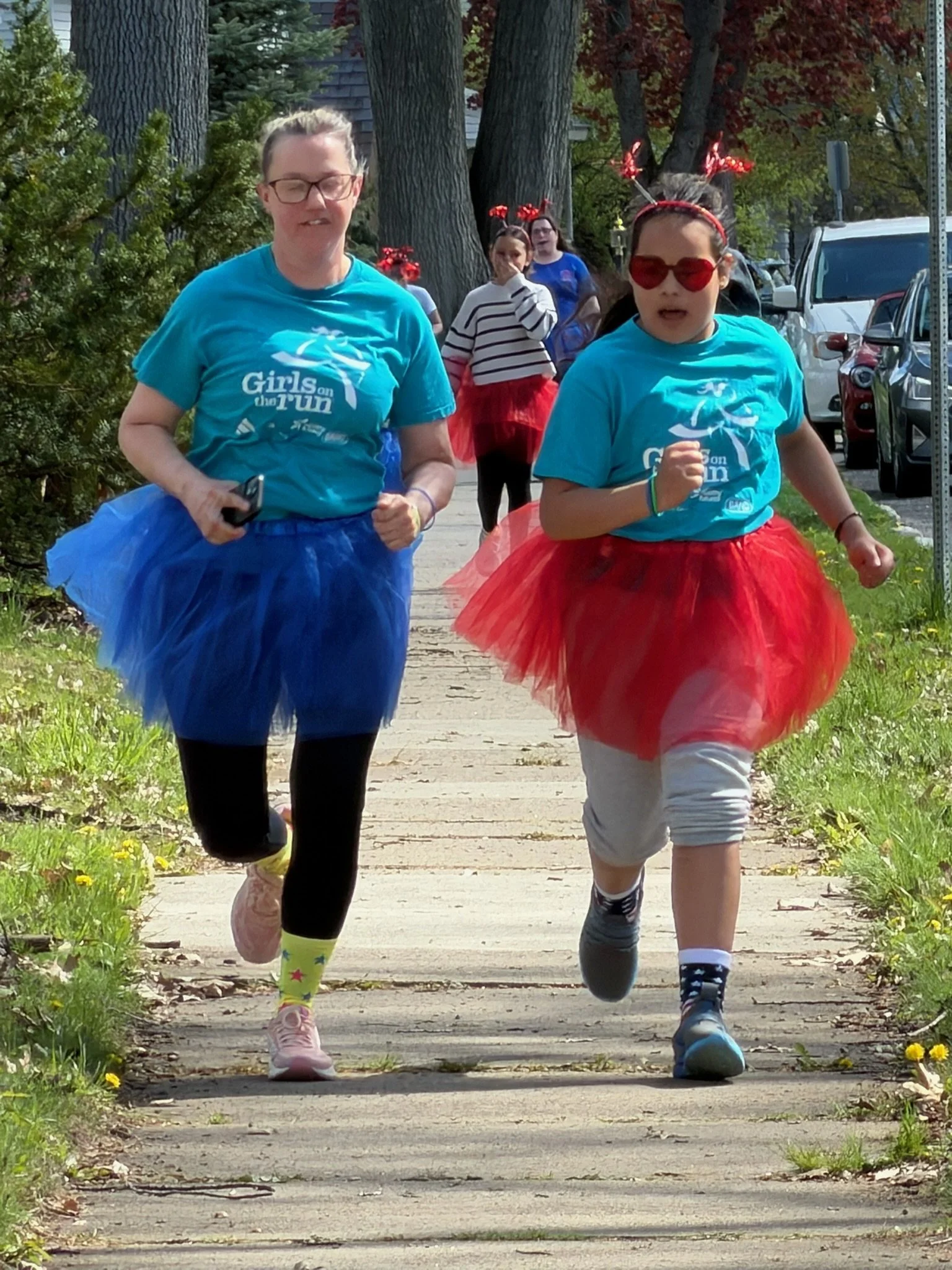
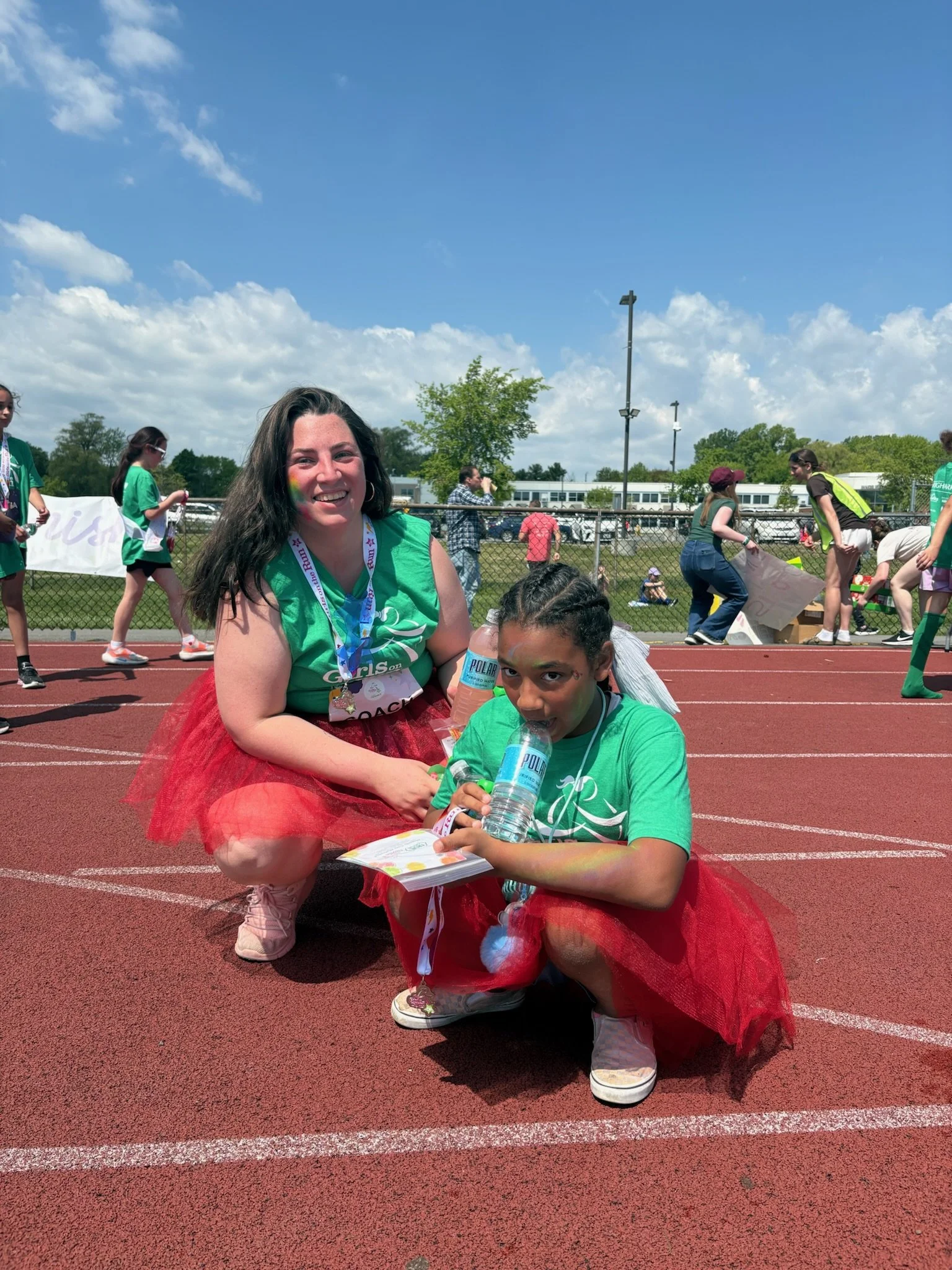
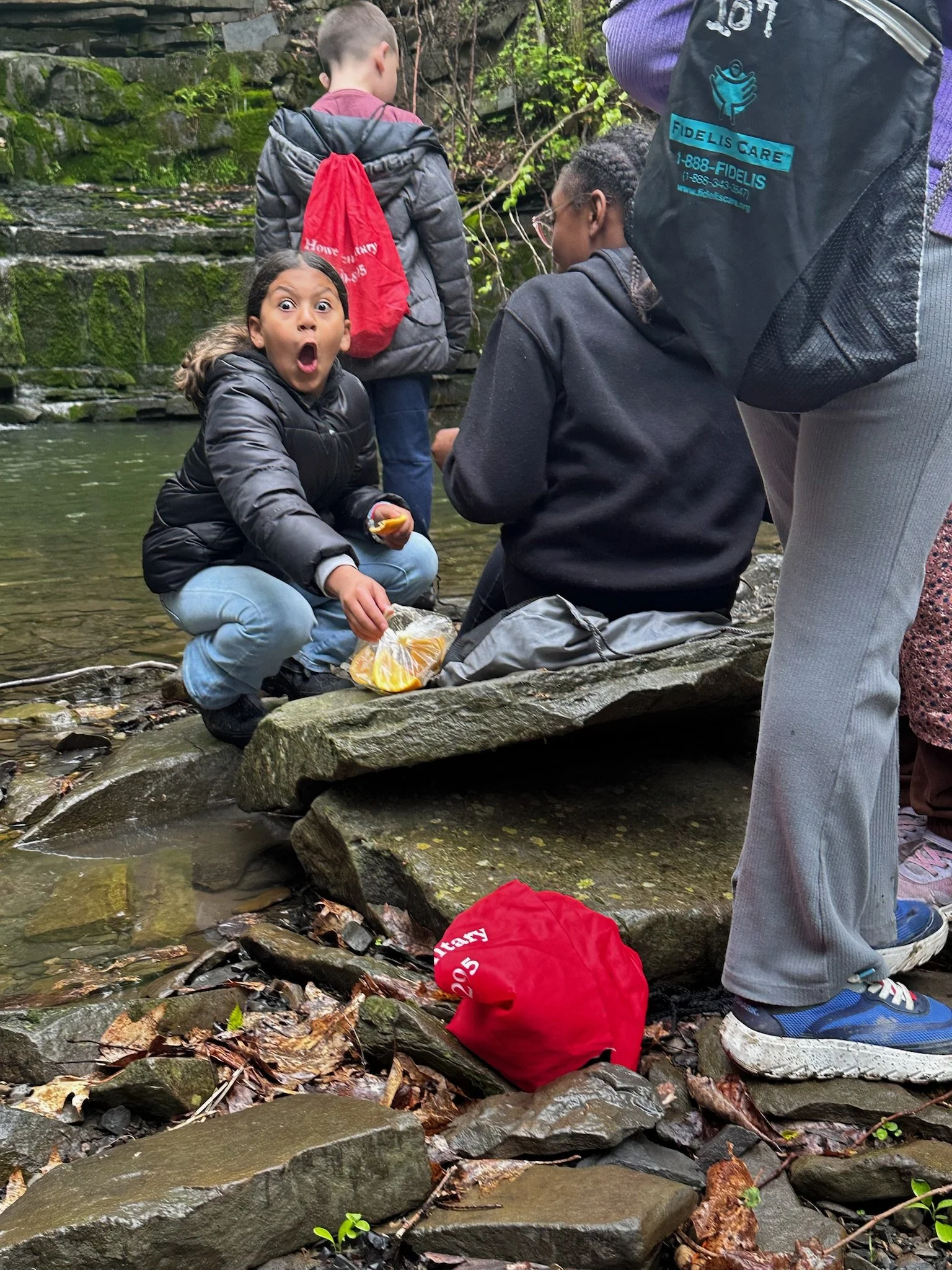
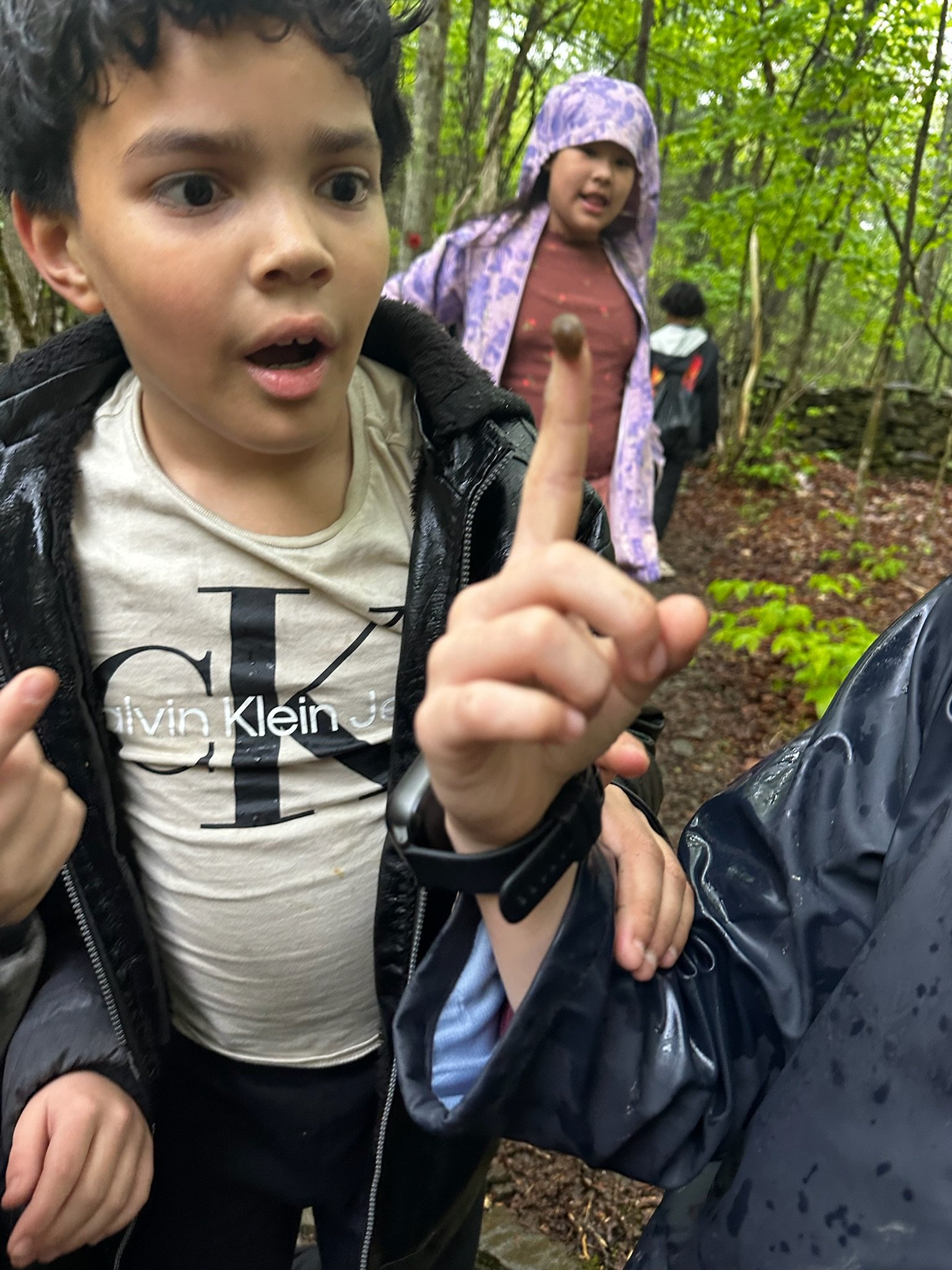
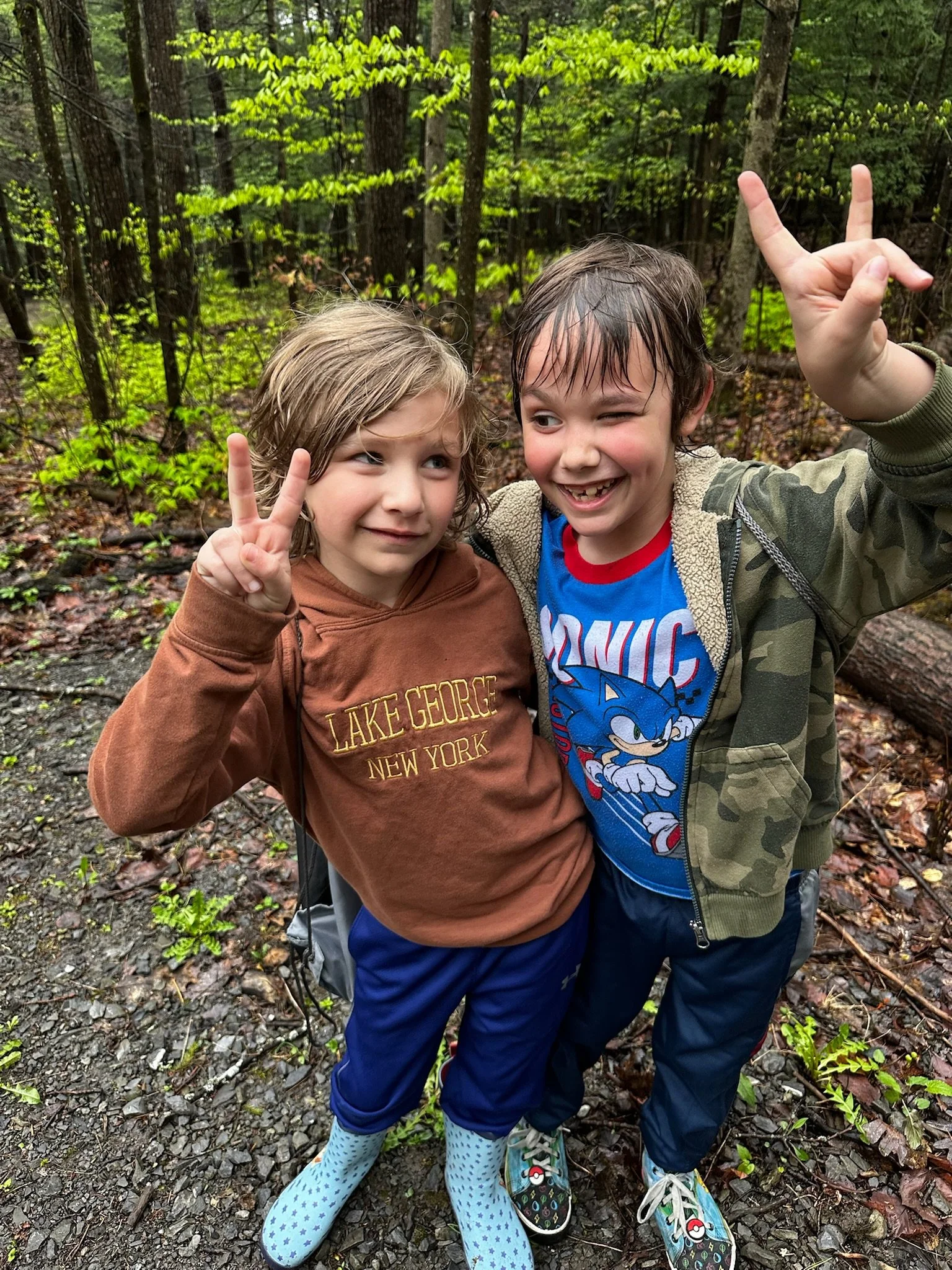
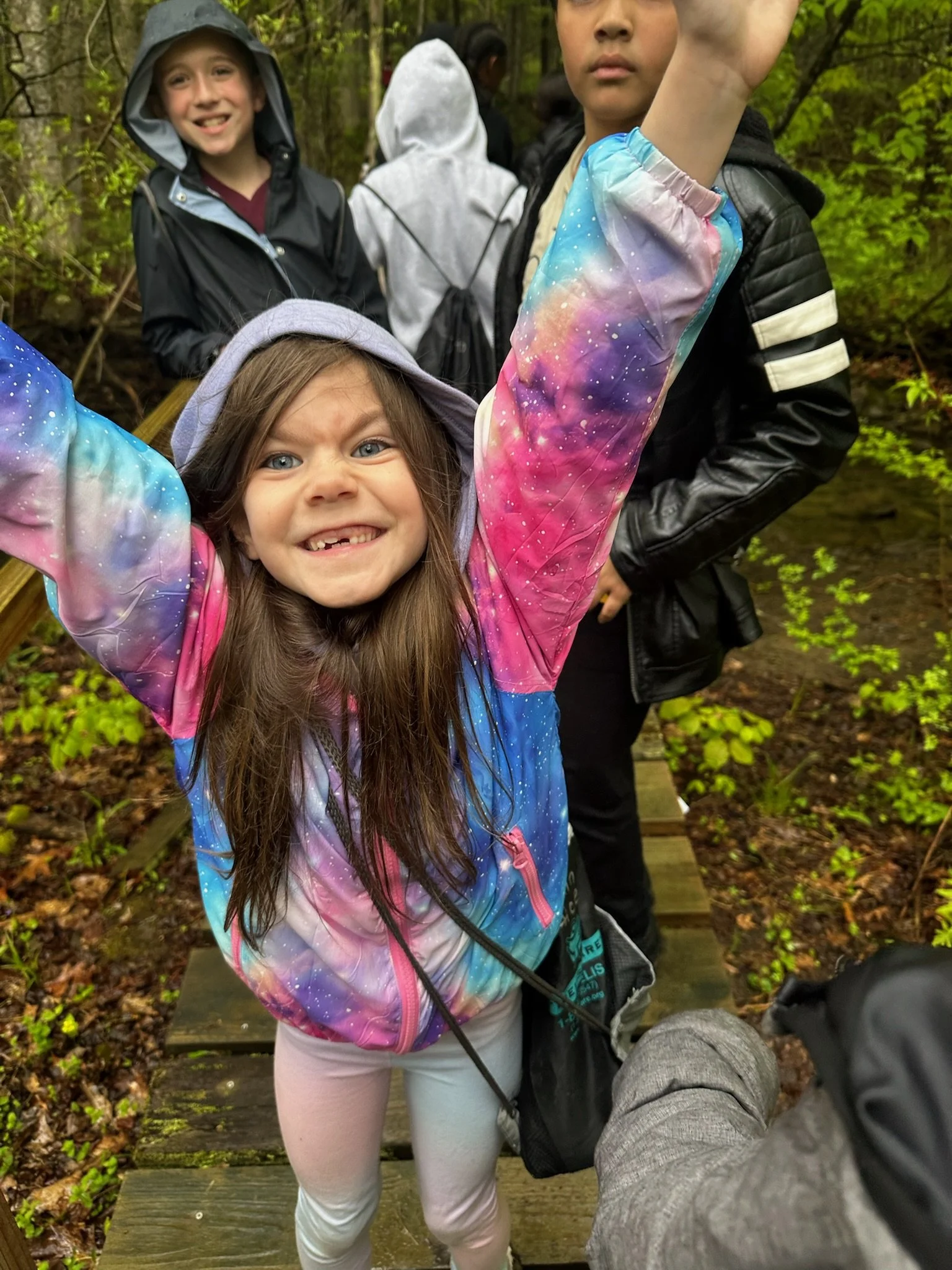
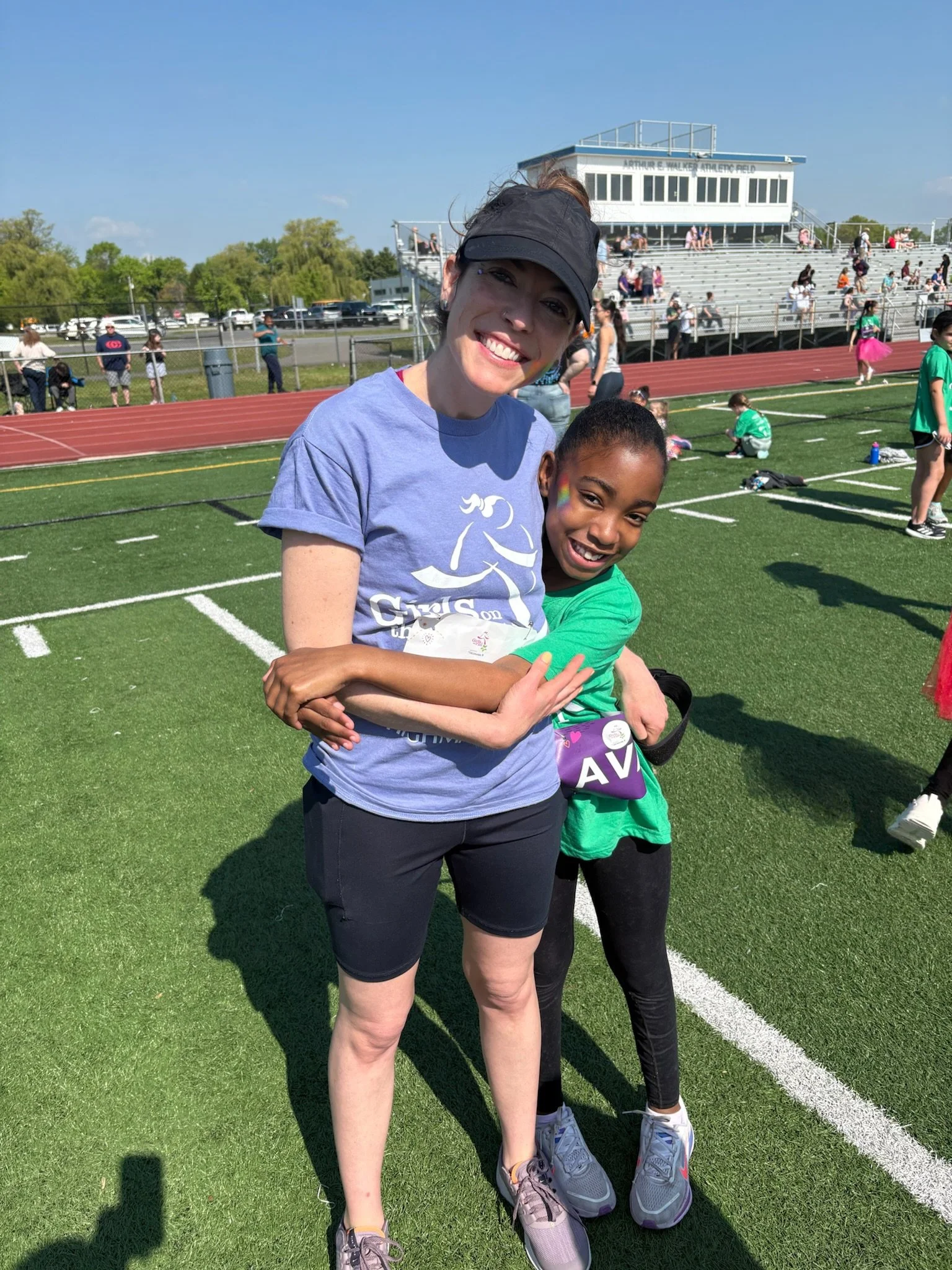
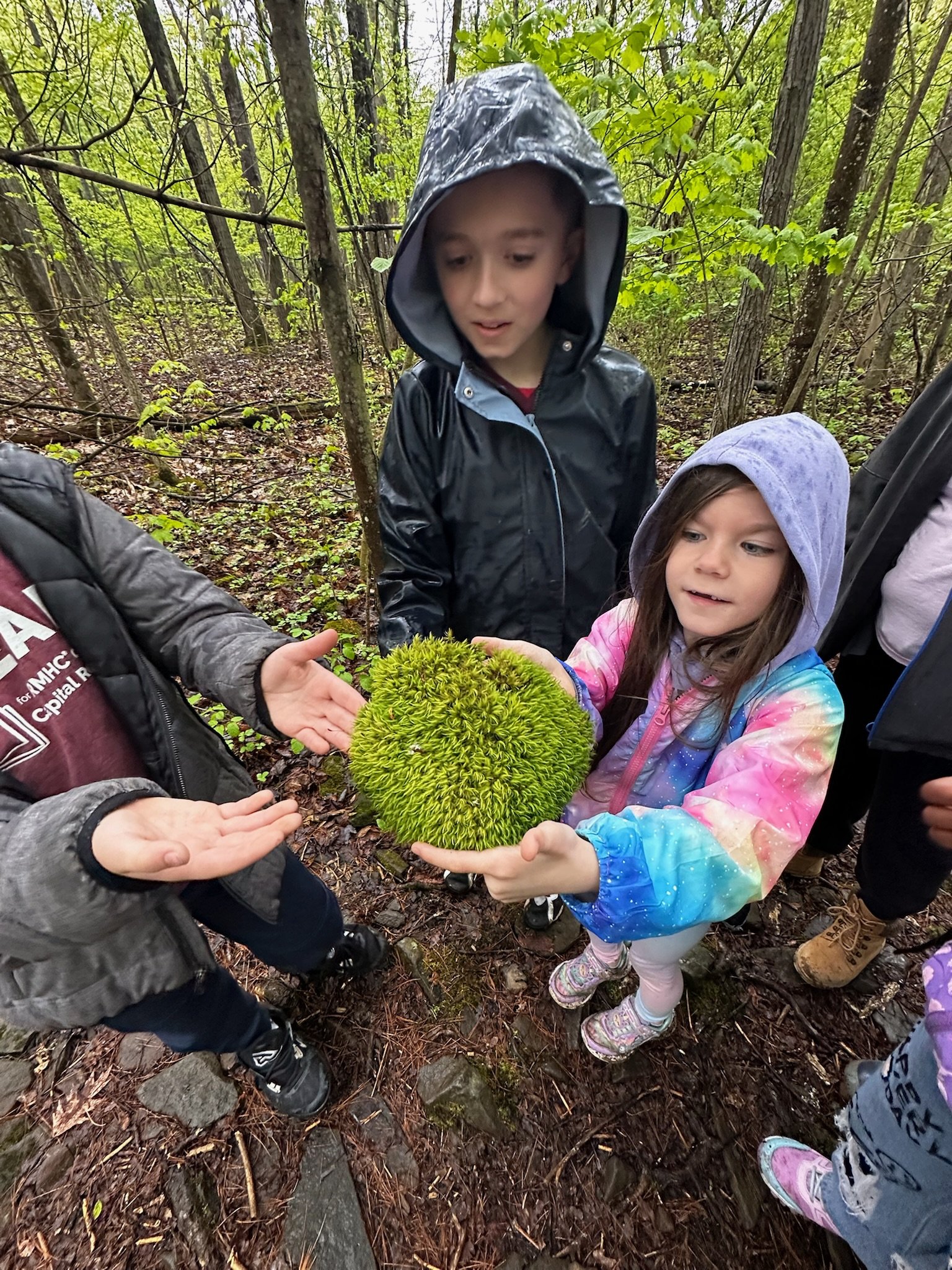
In the spring, students shifted into hiking and running. Weekly hikes brought students to local trails, where they explored nature, learned about protecting parks, and experienced streams, waterfalls, and wooded areas in their own community. Running activities also helped students build endurance and confidence, especially for the group of girls who completed two 5Ks.
These activities did more than fill time. They gave students healthy, active alternatives to screen time and helped them see the outdoors as a place for joy, learning, and challenge.
Healthy Snacks and Healthy Habits
Food was an important part of the program. Snack time was not treated as an afterthought. Instead, it became another way for students to learn healthy habits and social skills.
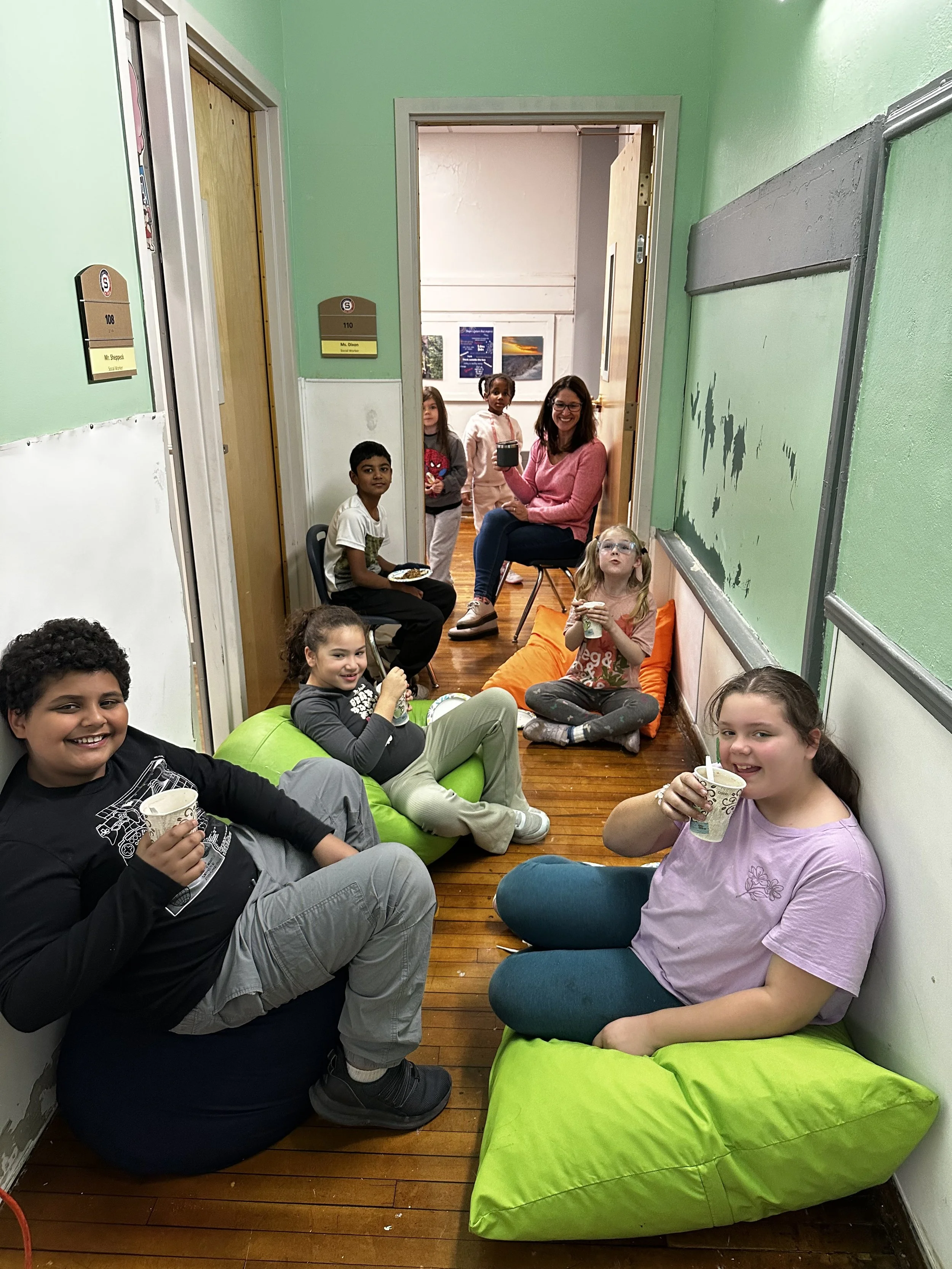
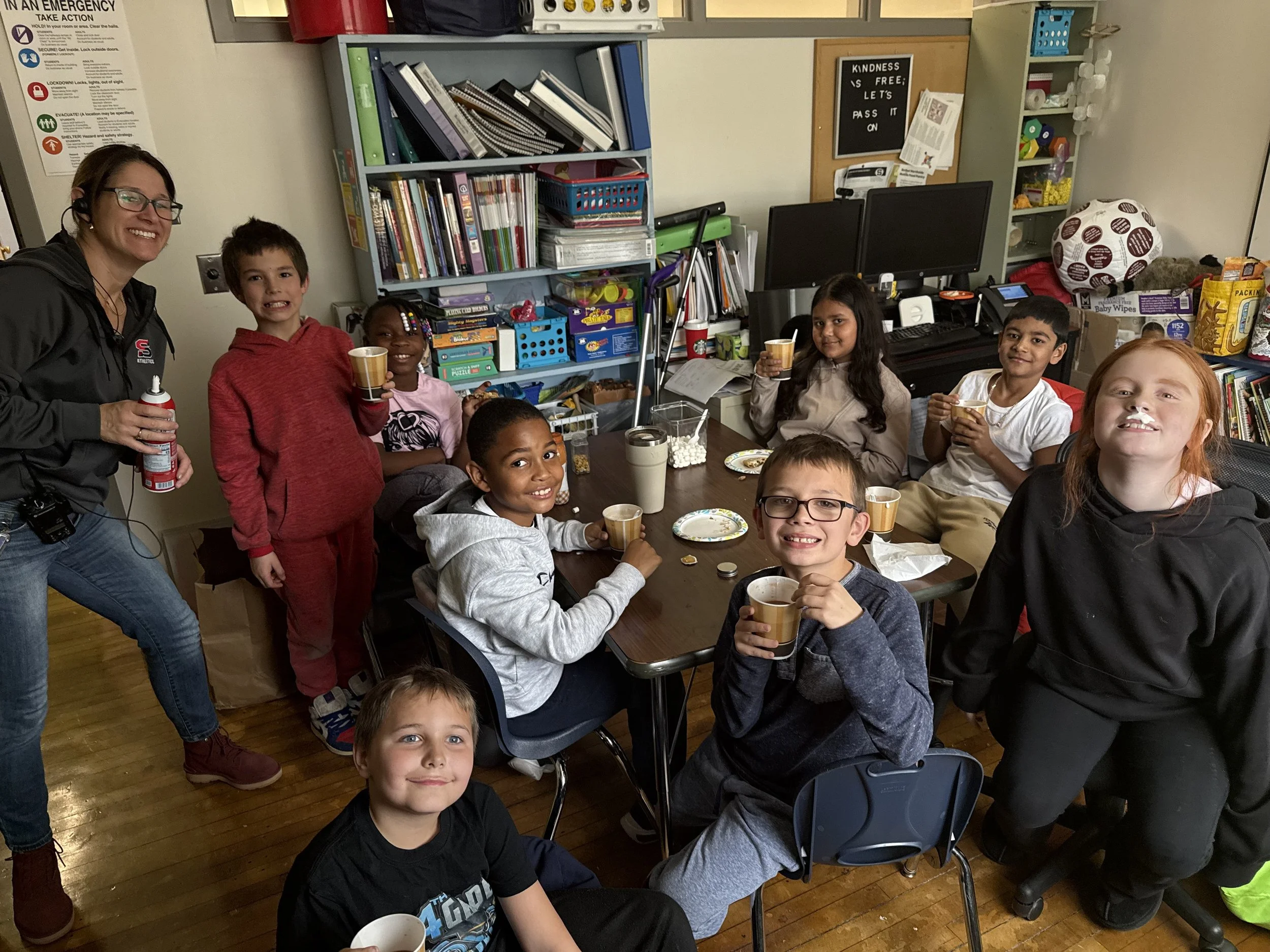
Students helped make and enjoy healthy snacks, including healthier versions of baked treats. They practiced sitting down to eat, slowing down during meals, and having everyday conversations at the table. Those simple routines helped reinforce the value of mindfulness, connection, and self-care.
The weekly cocoa and cookies event became one of the clearest examples of this approach in action. Over 16 weeks, more than 128 students took part. While the event felt fun and welcoming, it also reinforced attendance and the school’s core values. Students learned that even small moments, like sharing a snack and a conversation, can help build community.
Reinforcing Howe’s Core Values
A major strength of the program was how closely it aligned with Howe Elementary’s school culture. Every activity reinforced the core expectations of being safe, respectful, and responsible.
Students had to meet behavior and attendance expectations to earn participation in some events. For example, 50 students earned the chance to attend a sledding event, and 25 earned participation in ice skating. These opportunities gave students a clear connection between positive choices and positive outcomes.
The program also taught students how to manage conflict in pro-social ways and how to be accountable for their actions. They practiced building others up, creating positivity in the school community, and contributing to group experiences in respectful ways. This made the program about more than recreation. It became another setting where students could live out the values they were learning during the school day.
Measuring the Impact
The program made a broad and visible impact at Howe Elementary. About 200 children were directly involved in the after school activities, giving many students access to experiences that supported wellness, movement, and connection.
Some of the impact reached even further. Student-led positivity activities helped spread encouragement throughout the school community, touching more than 400 students and staff. That ripple effect showed how a focused group of students can help shape school culture in a positive way.
Several numbers stand out:
25 third through fifth grade girls completed two 5Ks
50 students took part in weekly hikes of nearly two miles
50 students earned participation in sledding
25 students earned participation in ice skating
More than 128 students joined the weekly cocoa and cookies event over 16 weeks
Behind each number is a student who had a chance to move, connect, and grow. Together, those outcomes show that the program reached students in meaningful ways.
Building Confidence, Character, and Community
The success of the program was not only measured in attendance or activity totals. It also showed up in the skills students built along the way.
Students learned how to have conversations while sharing a snack. They practiced work ethic by meeting expectations and following through. They learned how to build others up and how to create positivity in their community. They also developed stronger conflict-management skills and were encouraged to take responsibility for their actions.
For one group in particular, the impact was clear. The 25 girls in grades three through five who completed two 5Ks gained more than running experience. The program helped build confidence and self-esteem, giving them a chance to see what they could accomplish through effort and support.
This is what made the grant so valuable. It gave students room to build life skills in a way that felt natural, active, and fun.
Challenges and Lessons Learned
Like many successful school programs, this one also came with challenges. One of the biggest was limited capacity. There were not enough spots for every student who may have wanted to participate, which points to a need for even more opportunities like these.
Staffing was another challenge. Programs like this depend on adults who are willing and able to lead events, supervise students, and manage logistics. More staff support would make it easier to expand these opportunities and sustain them over time.
There were practical lessons as well. Jennifer Dixon noted the importance of arranging bussing early and trying to overstaff events when possible in case someone is unable to attend. These details may seem small, but they can make a big difference in how smoothly a program runs.
Why This Grant Mattered
This grant gave Howe Elementary students access to experiences that supported health, happiness, and personal growth. It helped children spend time outdoors, move their bodies, learn healthy routines, and strengthen their relationships with peers and staff.
It also showed what can happen when after school time is used with purpose. Students were not only kept engaged. They were challenged, encouraged, and trusted to grow. They learned how to be active in ways that felt joyful. They learned how to be part of a group. And they saw that school can be a place where wellness and character matter just as much as academics.
Programs like this can shape the climate of a school in lasting ways. They create moments of belonging, pride, and connection that students carry with them.
Conclusion
Jennifer Dixon’s after school activities program at Howe Elementary shows how thoughtful grant funding can support the whole child. Through outdoor play, healthy snacks, movement, and community-building, students gained skills and experiences that reached far beyond the school day.
This grant helped create a stronger, healthier, and more connected school community. It is a powerful reminder that when we invest in meaningful student experiences, the benefits reach well beyond the classroom.