
Showcase: How Third Graders at Pleasant Valley Turned Space Science Into Art
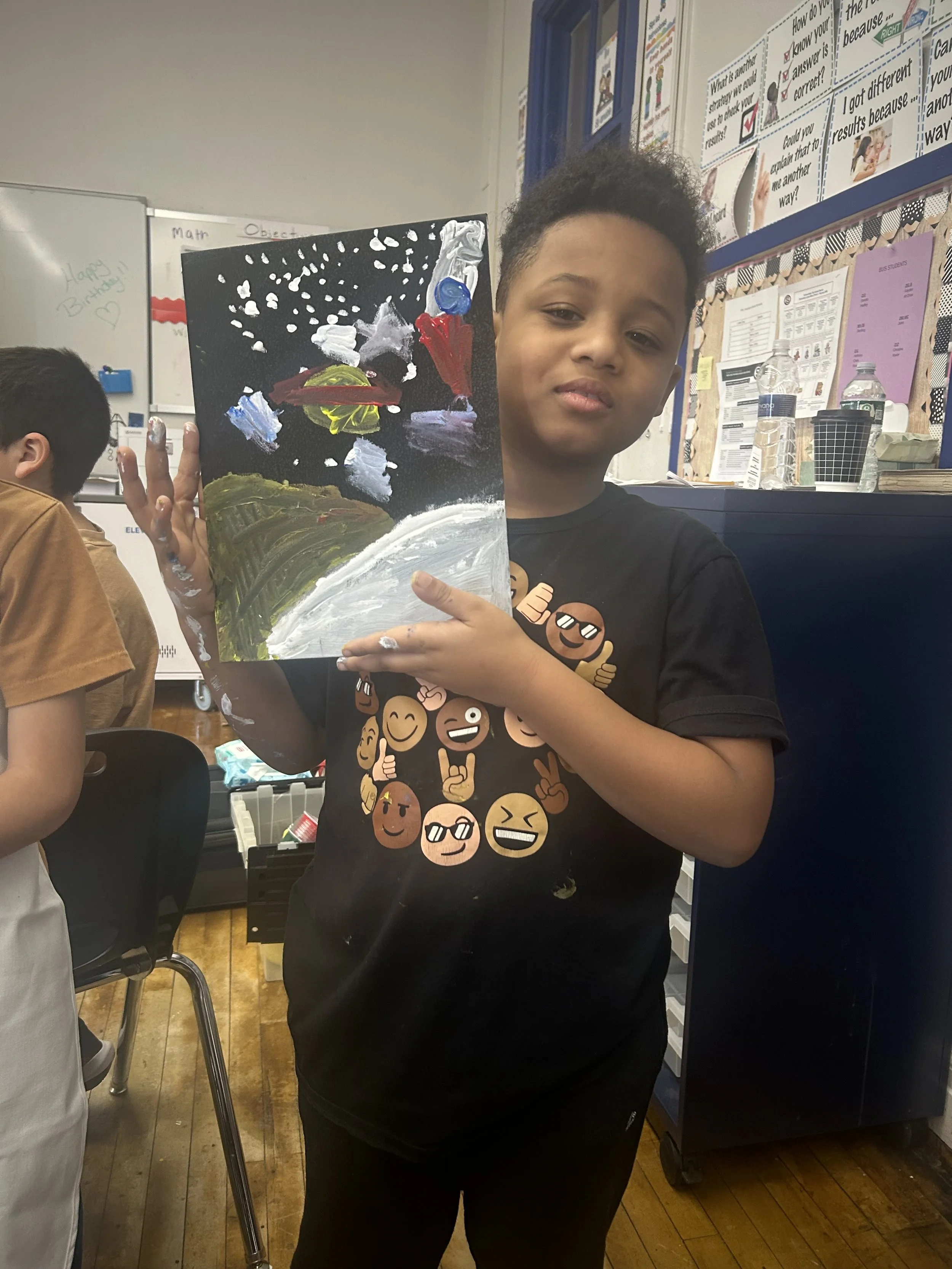
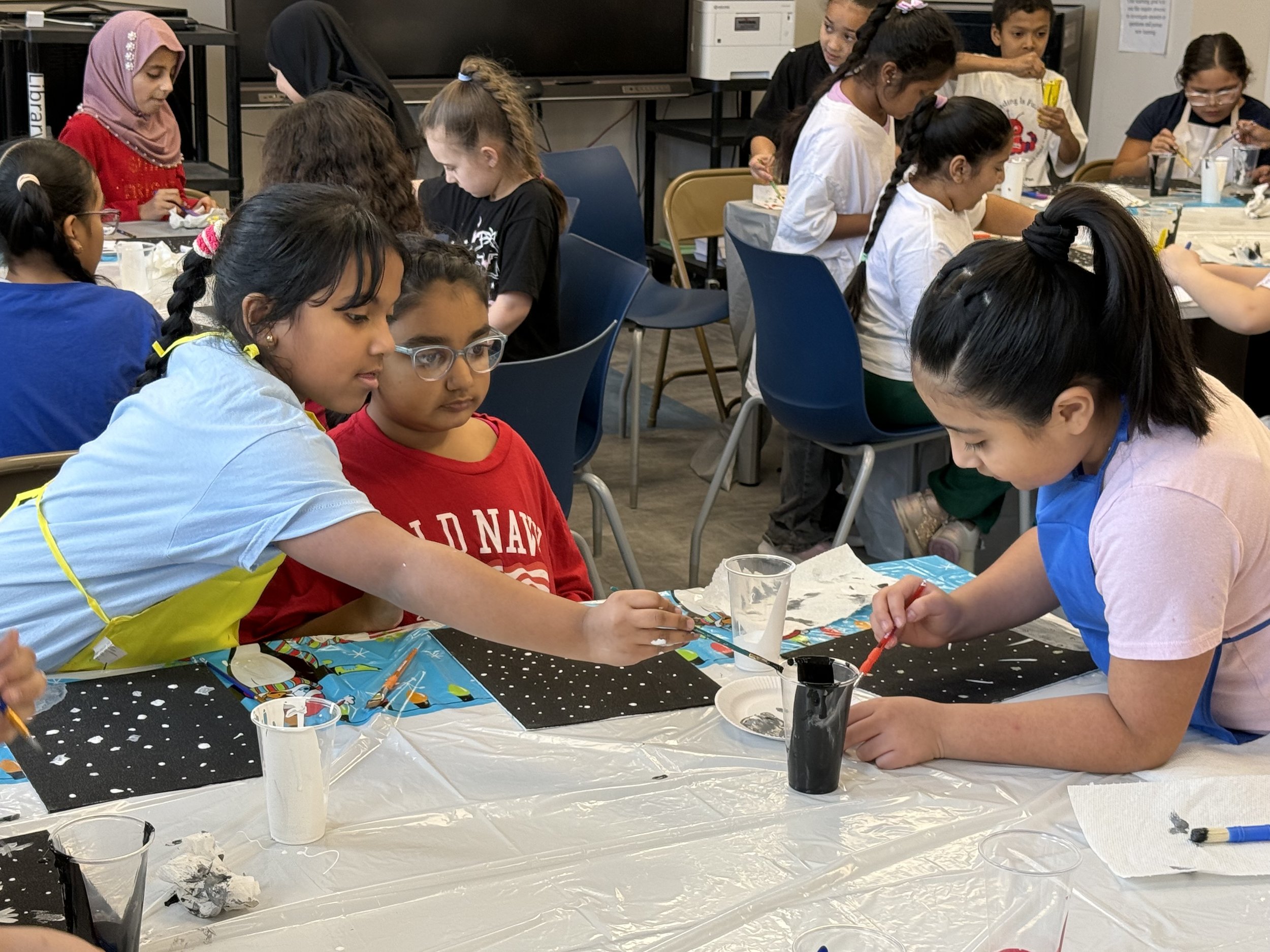
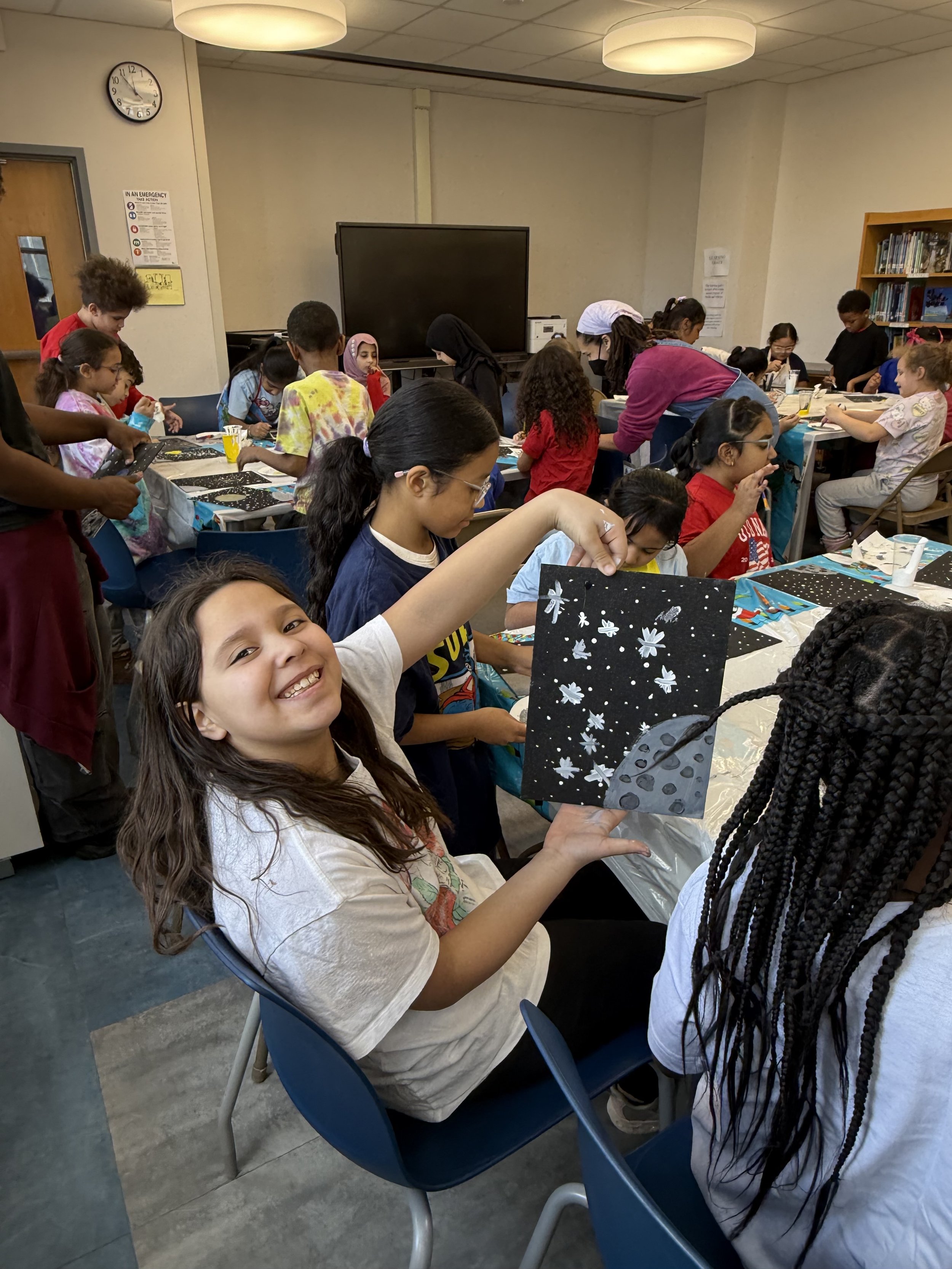
Ask a third grader to explain how a planet orbits the sun, and you might get a shrug. Hand them a paintbrush and a blank canvas of deep space, and watch what happens. Suddenly, orbits become swirling lines, craters take shape, and vocabulary words leap off the page.
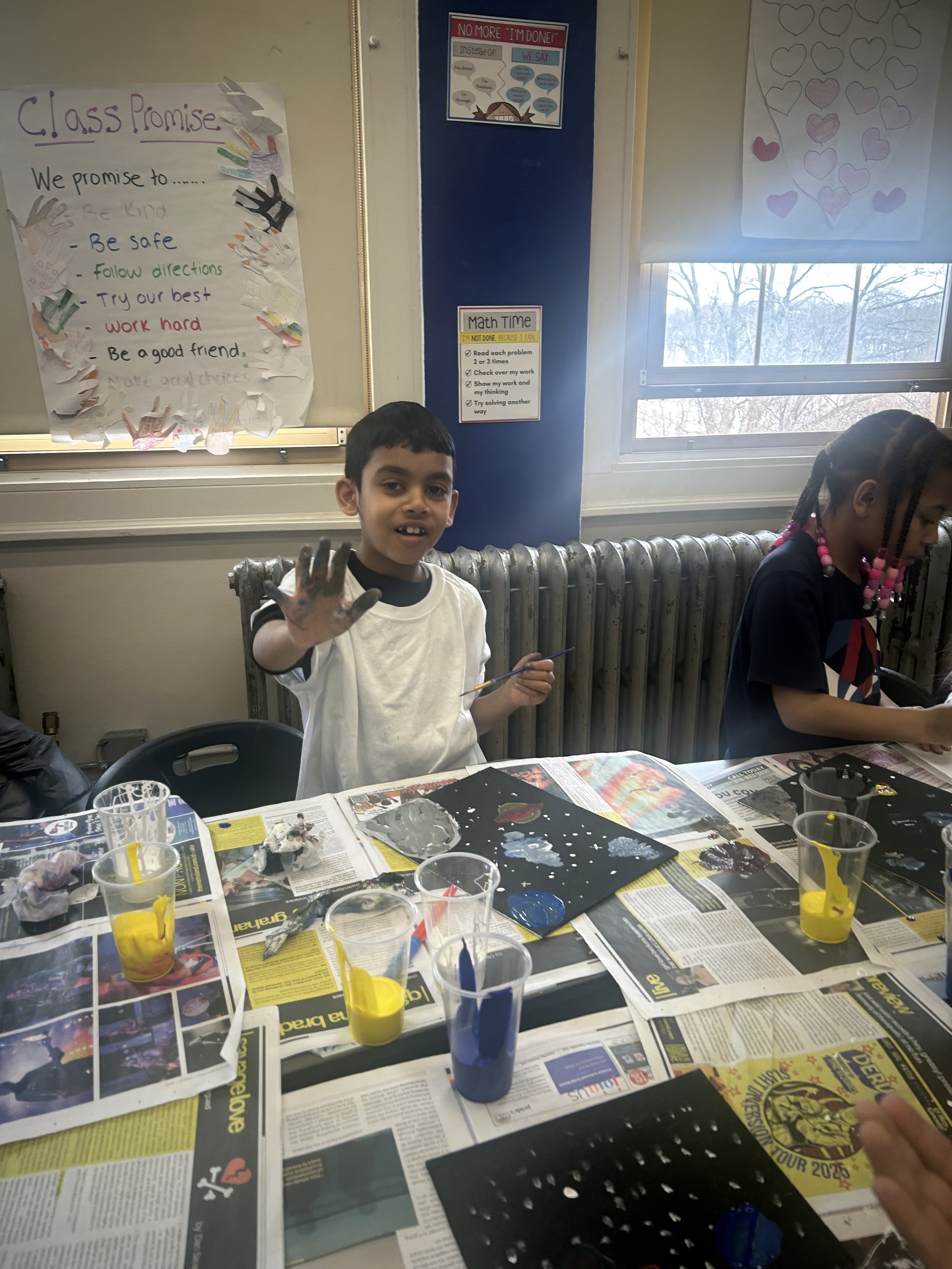
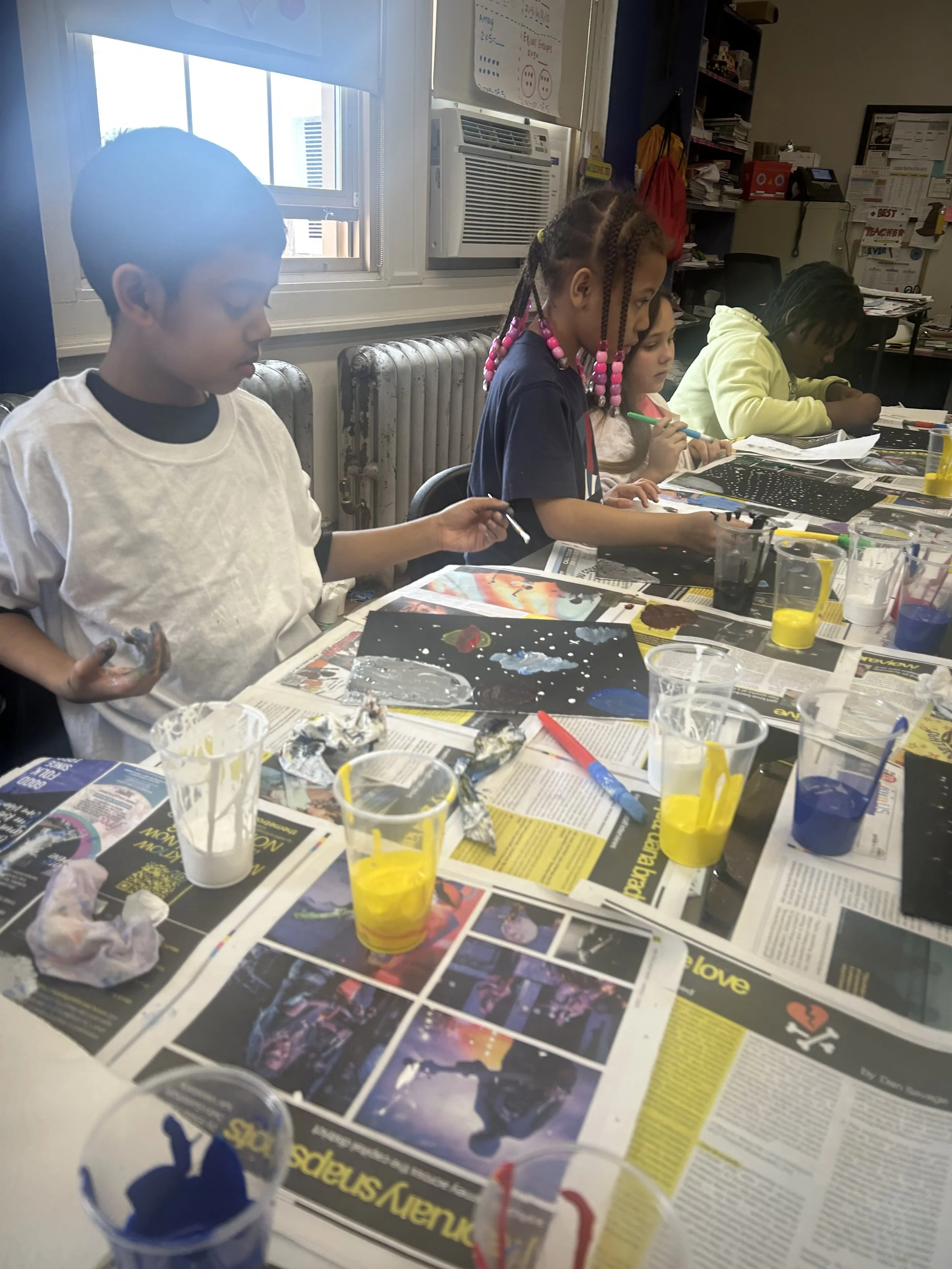
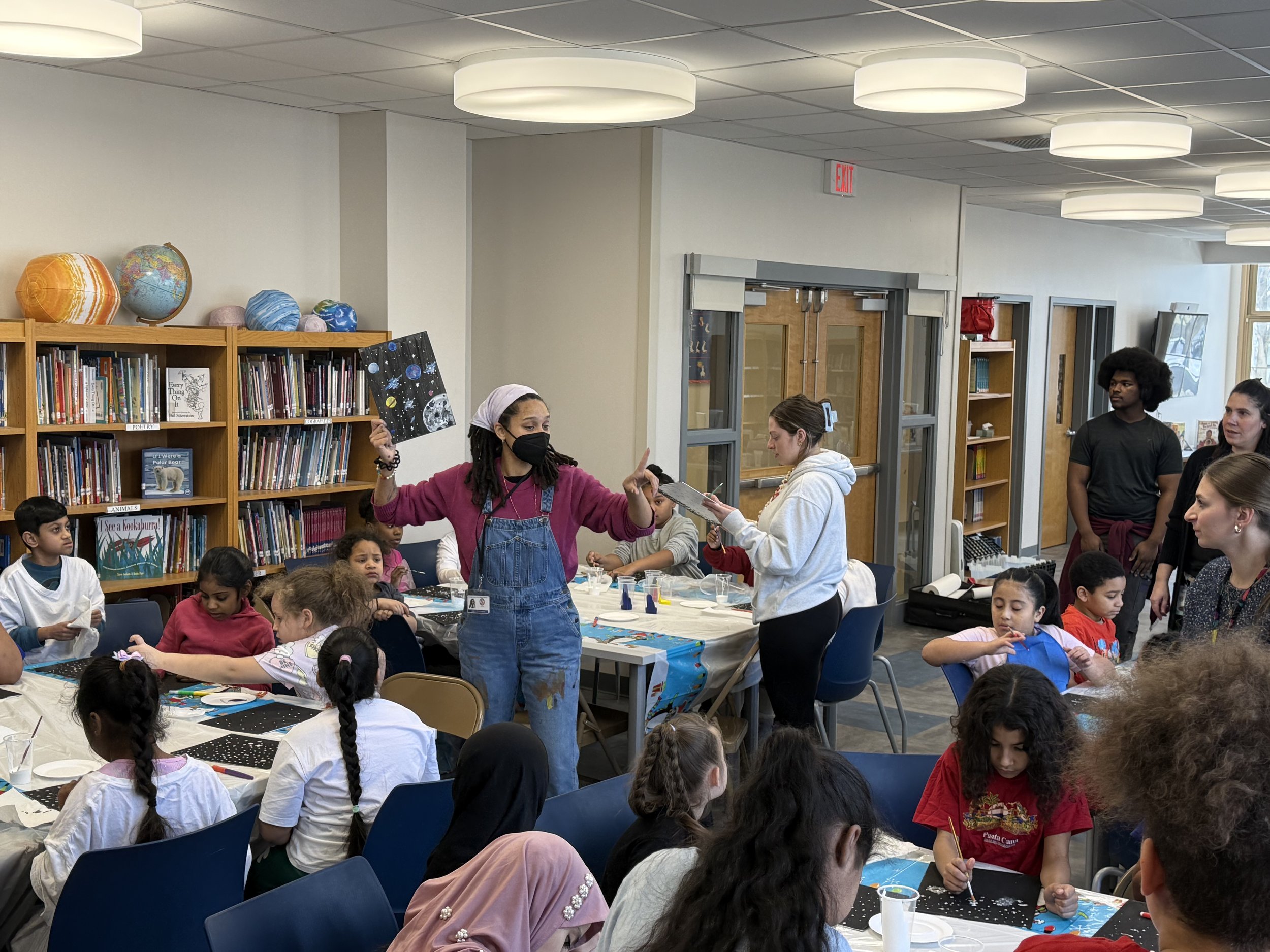
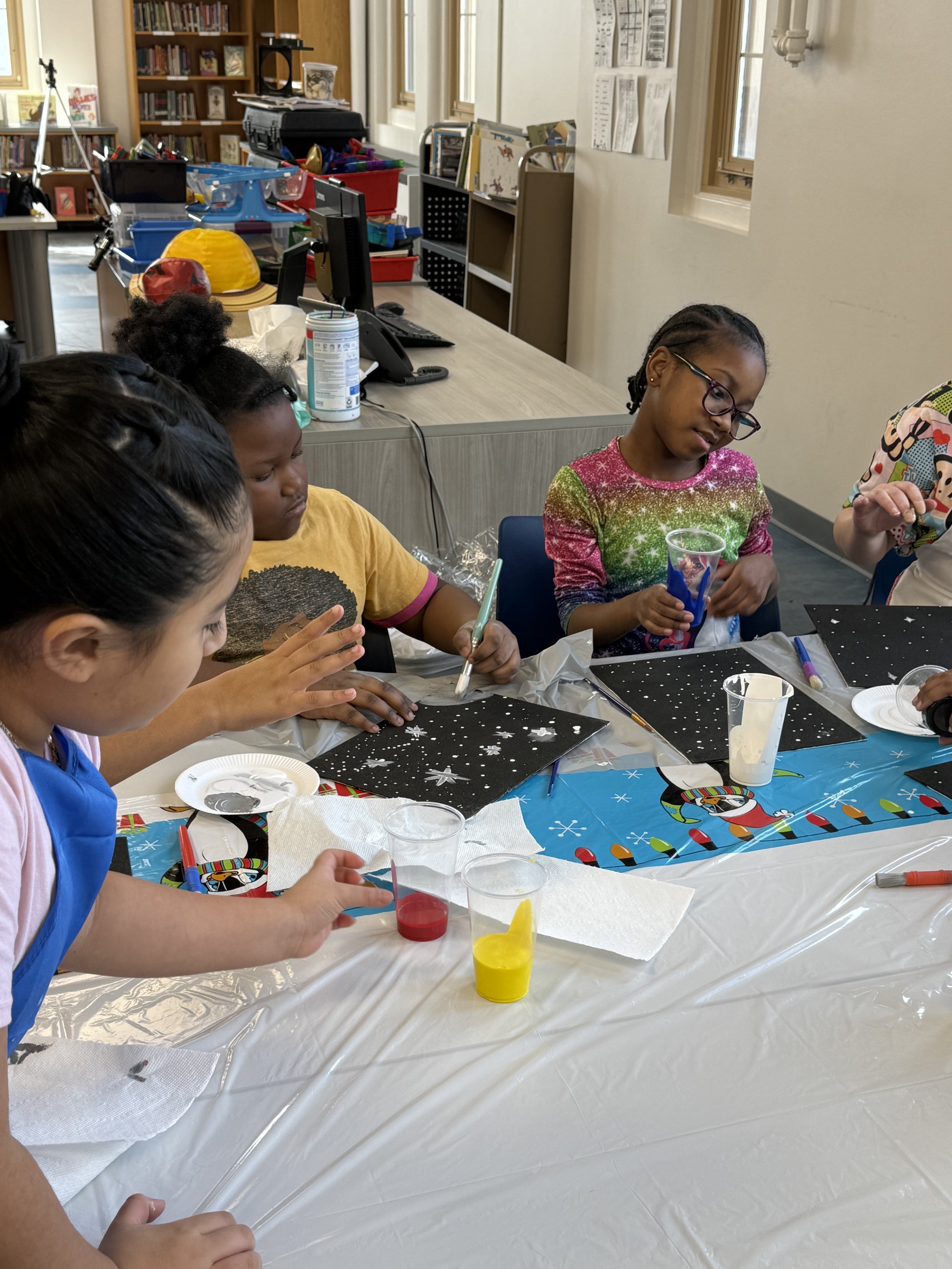
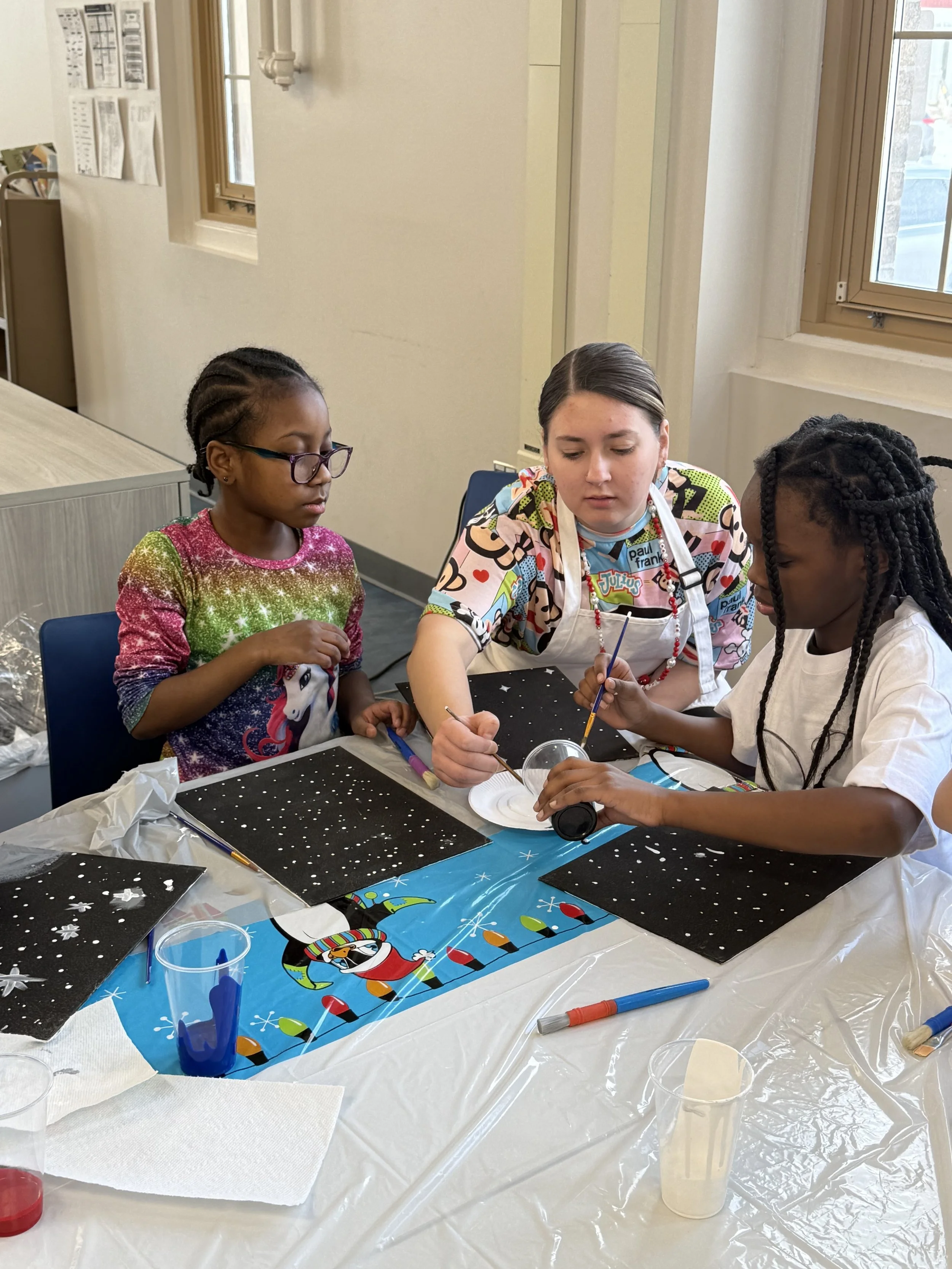
That's exactly what unfolded at Pleasant Valley School, where teacher Katie Leupold blended science, reading, and art into one unforgettable day of learning. An SCSDEF grant provided the opportunity for her third graders got to explore the universe in a whole new way.
Where Reading Meets the Cosmos
The project started with a simple but powerful idea: what if art could help students understand what they read?
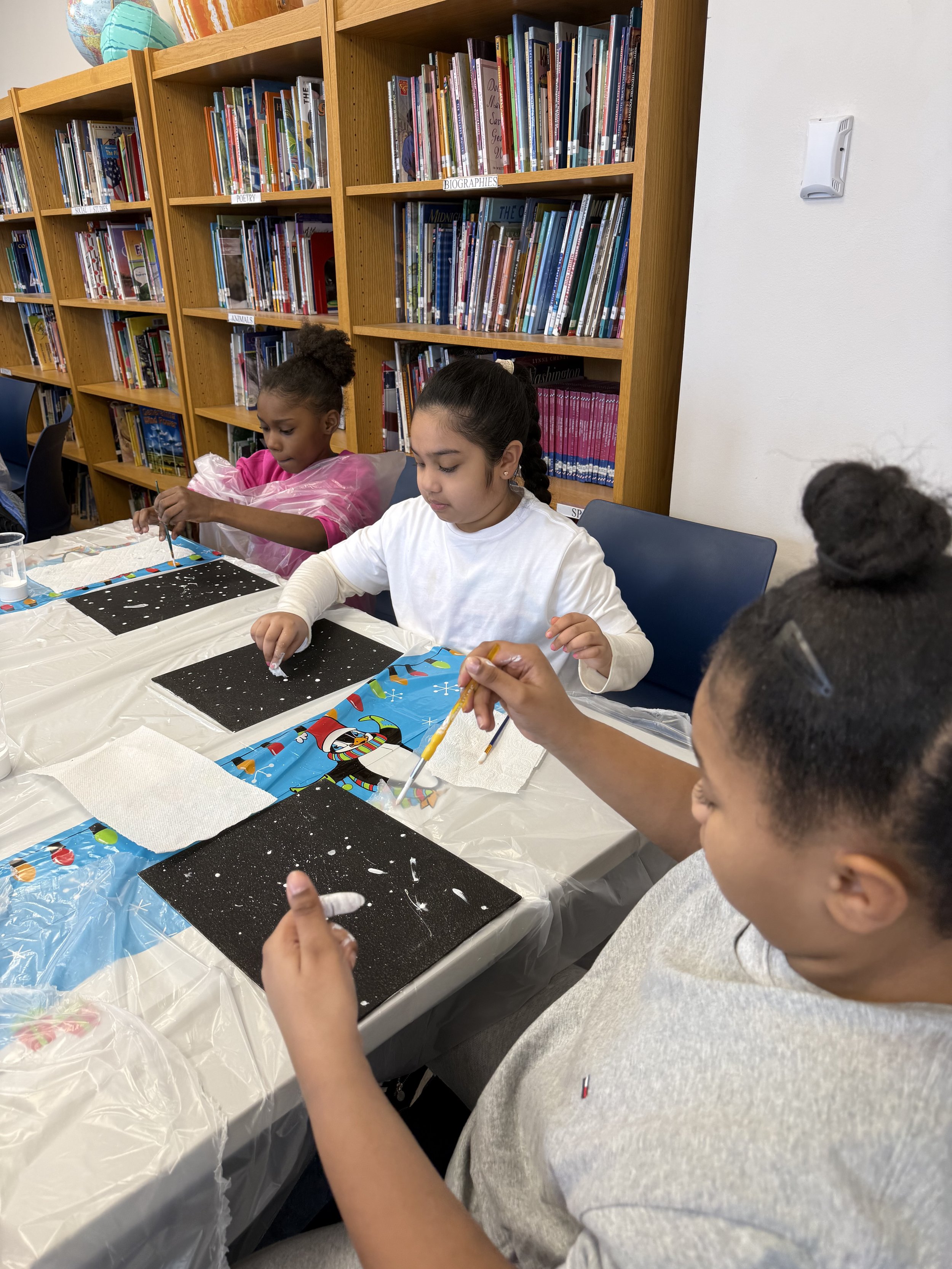
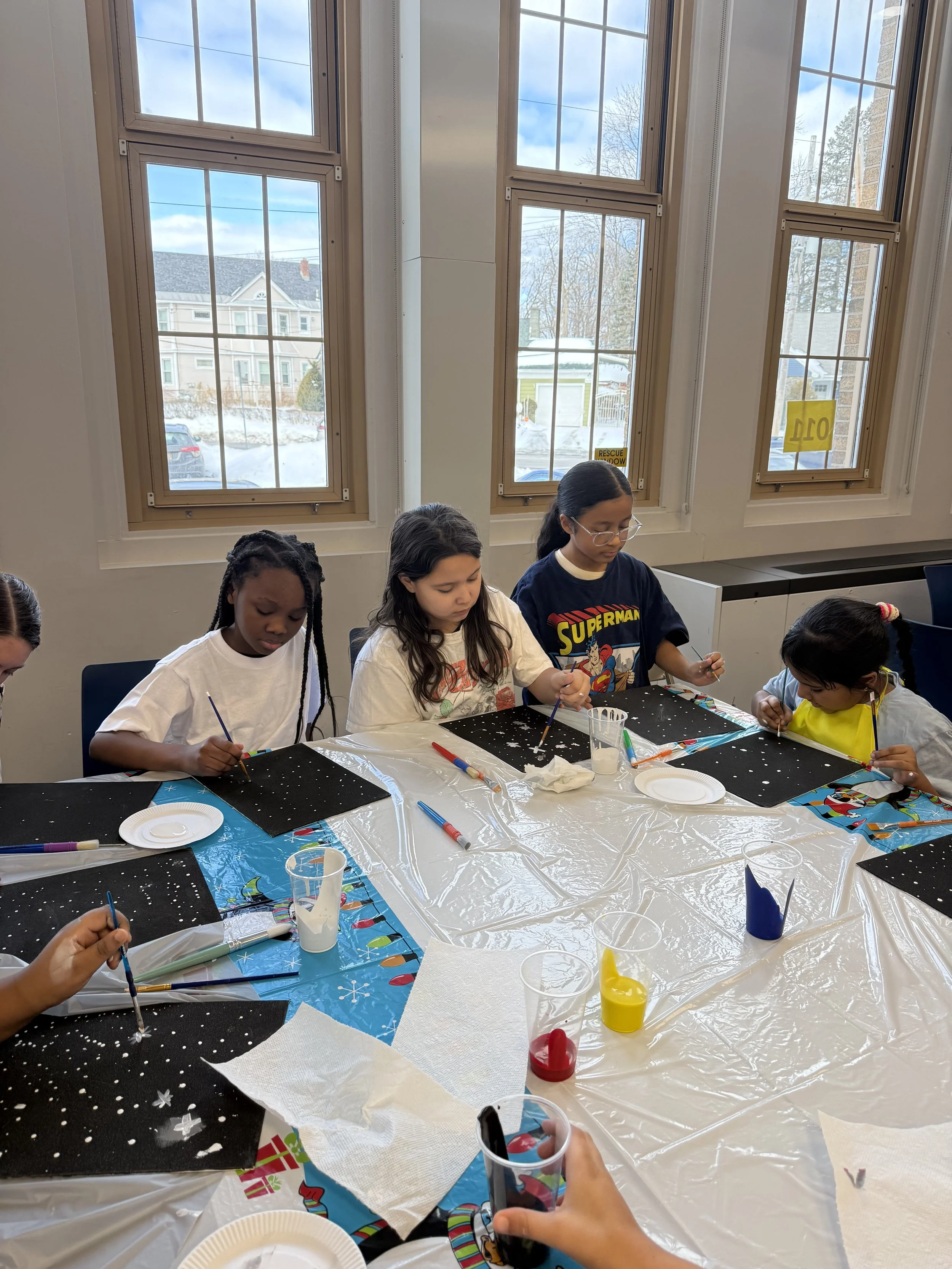
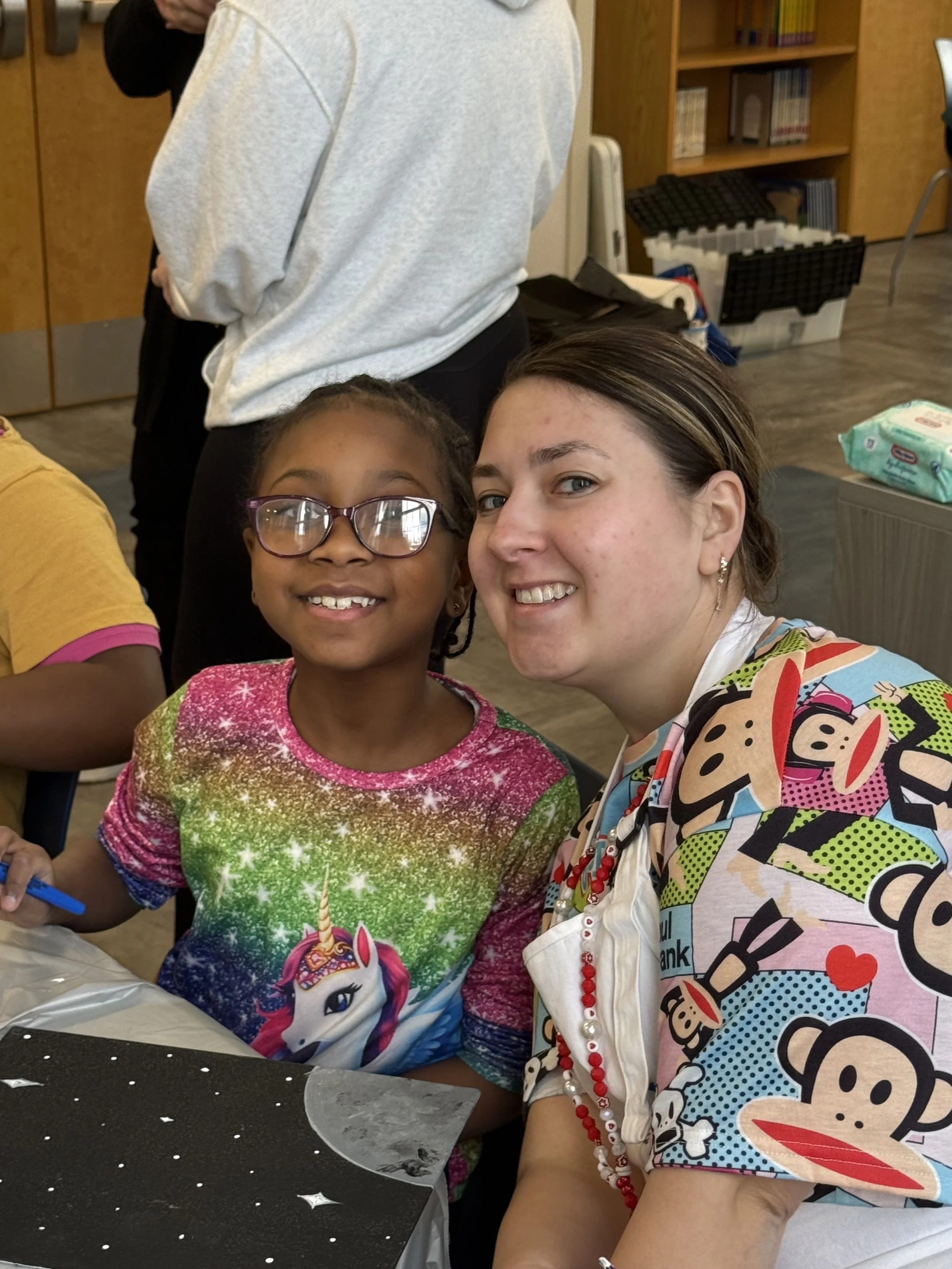
Leupold's class had been working through a non-fiction ELA unit on space—planets, gravity, orbits, and all the big concepts that come with them. These ideas can feel abstract, especially for young learners. So she partnered with CREATE Community Studios to bring those concepts to life through a hands-on space art project.
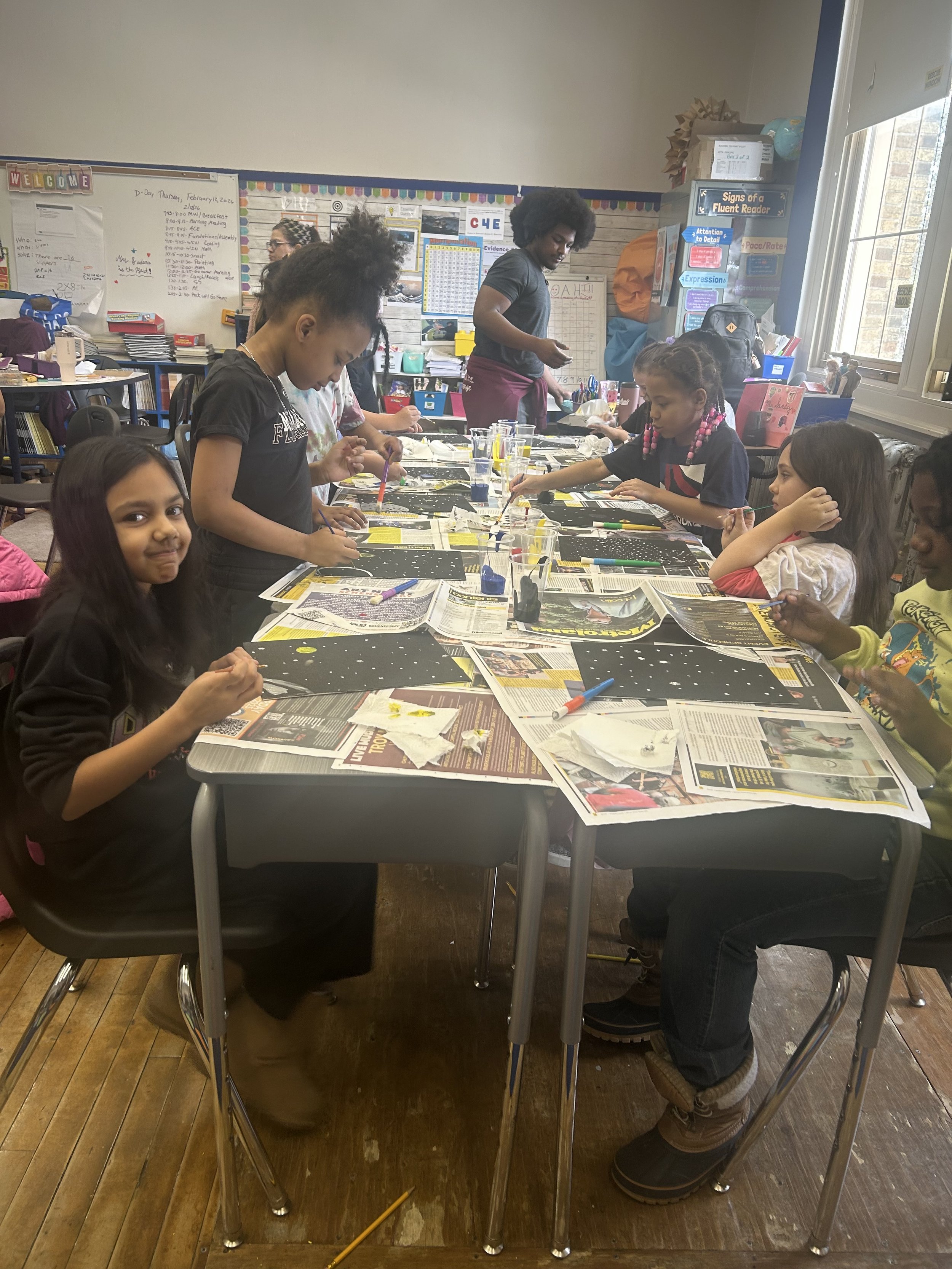
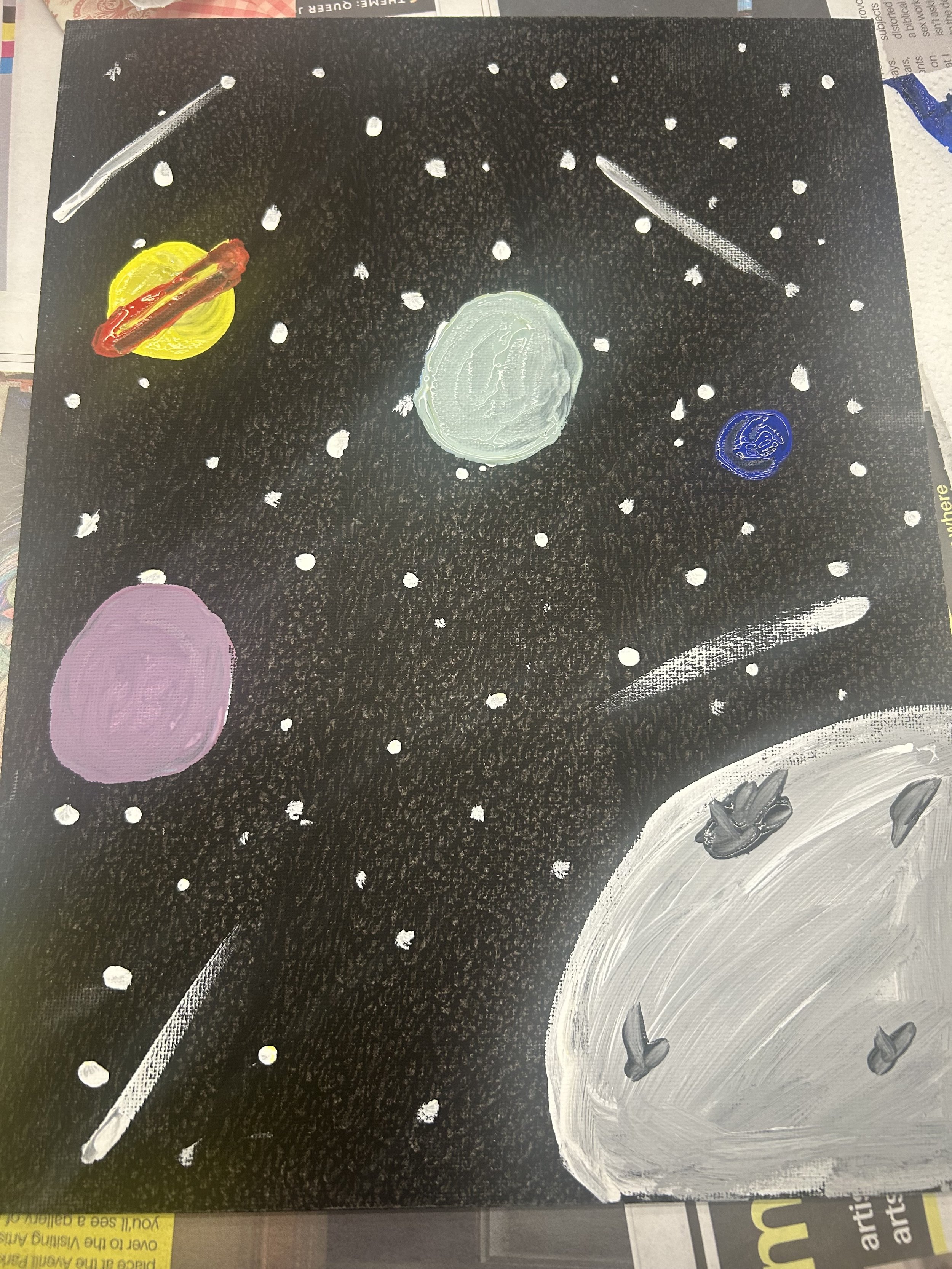
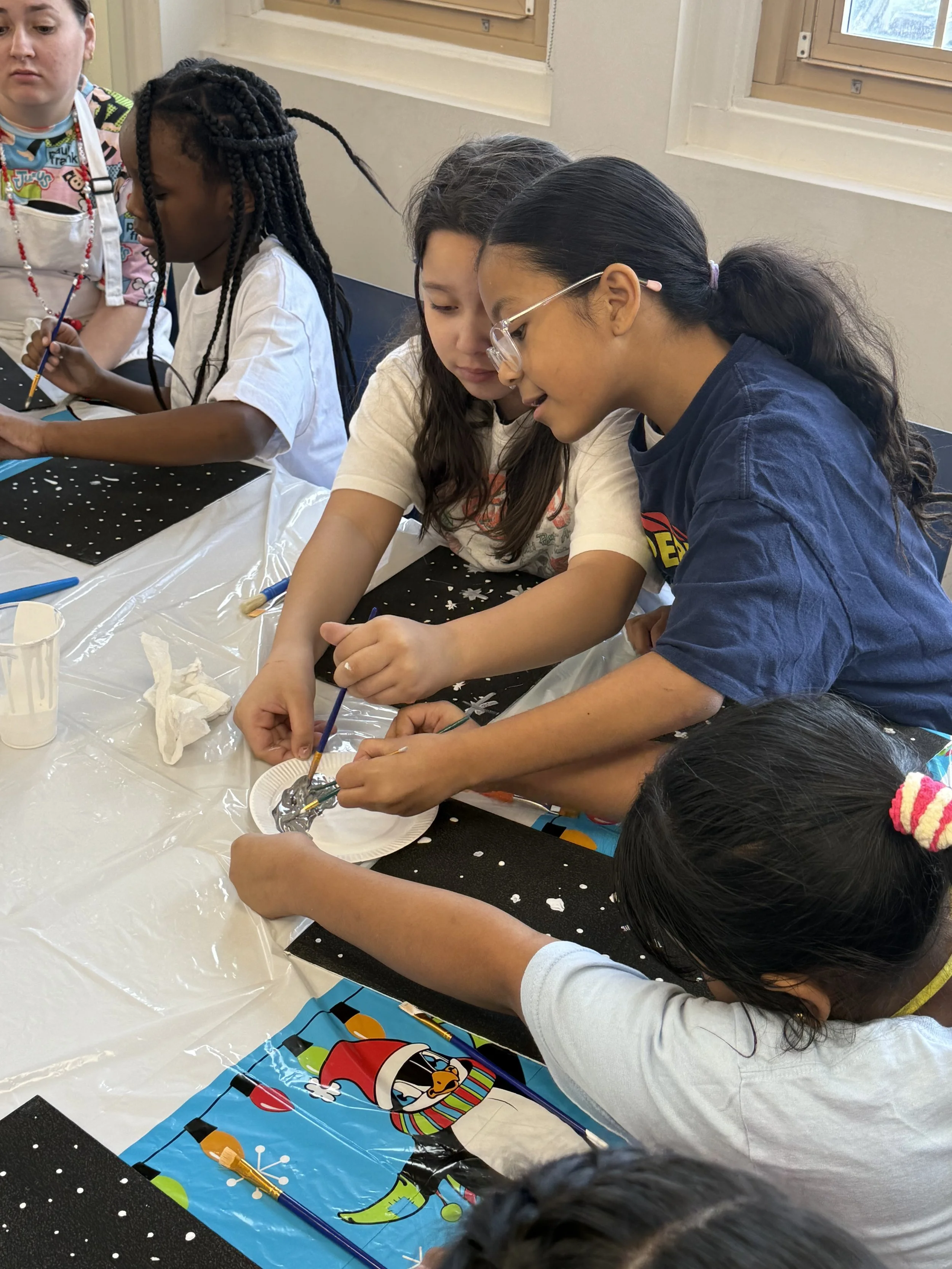
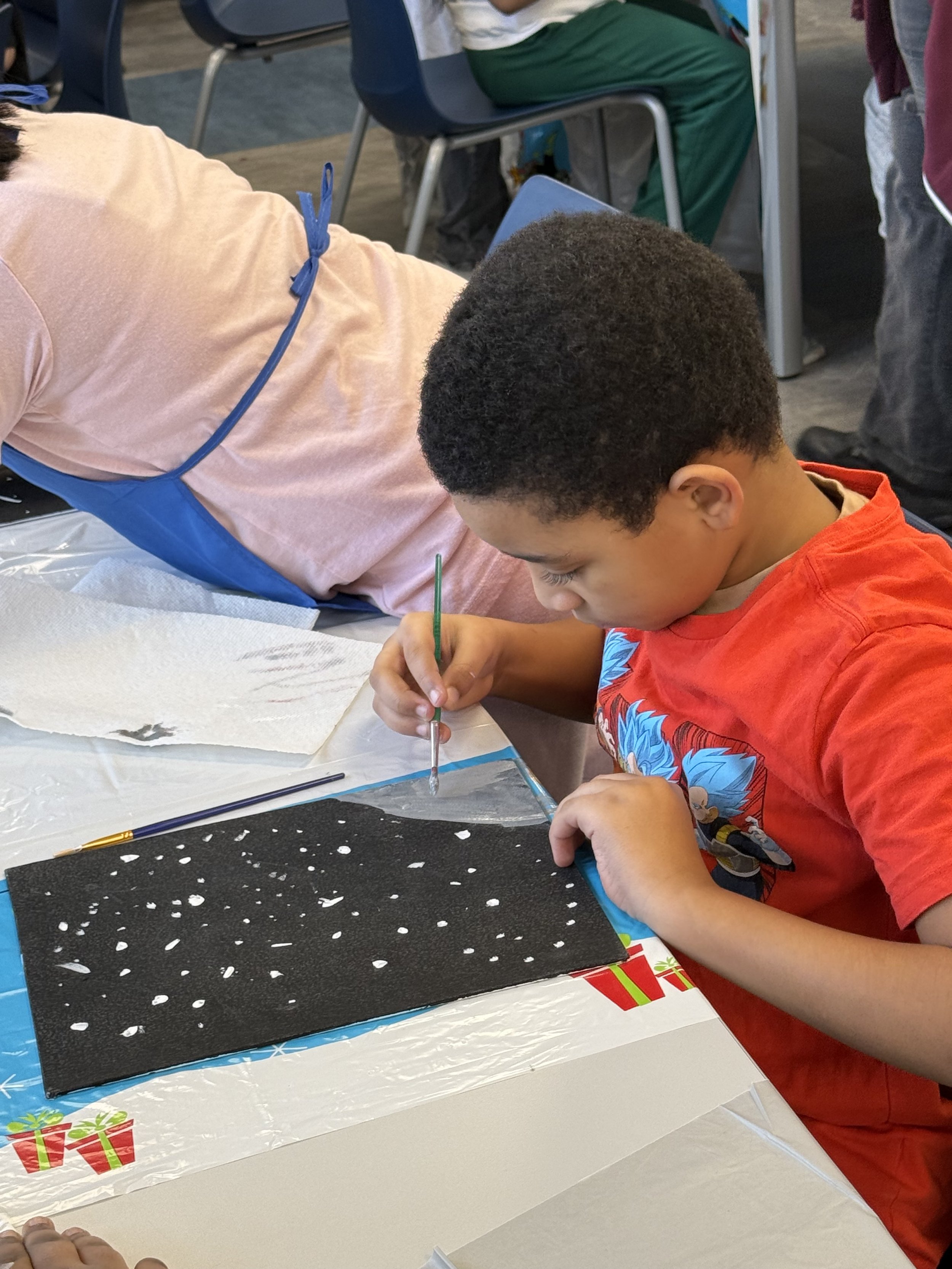
Instead of just reading about the solar system, students got to build it with their own hands. The result? Abstract science became something they could see, touch, and truly understand.
Five Goals, One Powerful Project
This wasn't art for art's sake. Every brushstroke served a purpose. The project was designed around five key learning goals:
Deepen comprehension. Turning non-fiction reading into visual artwork helped students grasp tricky concepts like gravity and orbits.
Build vocabulary. Words like crater, atmosphere, luminous, and orbit became real anchors students could point to in their own creations.
Spark writing. Each piece of art became a visual prompt for descriptive writing, stories, and informational captions.
Teach dual concepts. Students explored both scientific "space" (planets and stars) and artistic "space" (foreground, background, scale, and distance).
Support all learners. The project gave visual and kinesthetic learners a fresh way to show what they knew.
A Boost for Writing and Vocabulary
One of the biggest wins showed up in student writing.
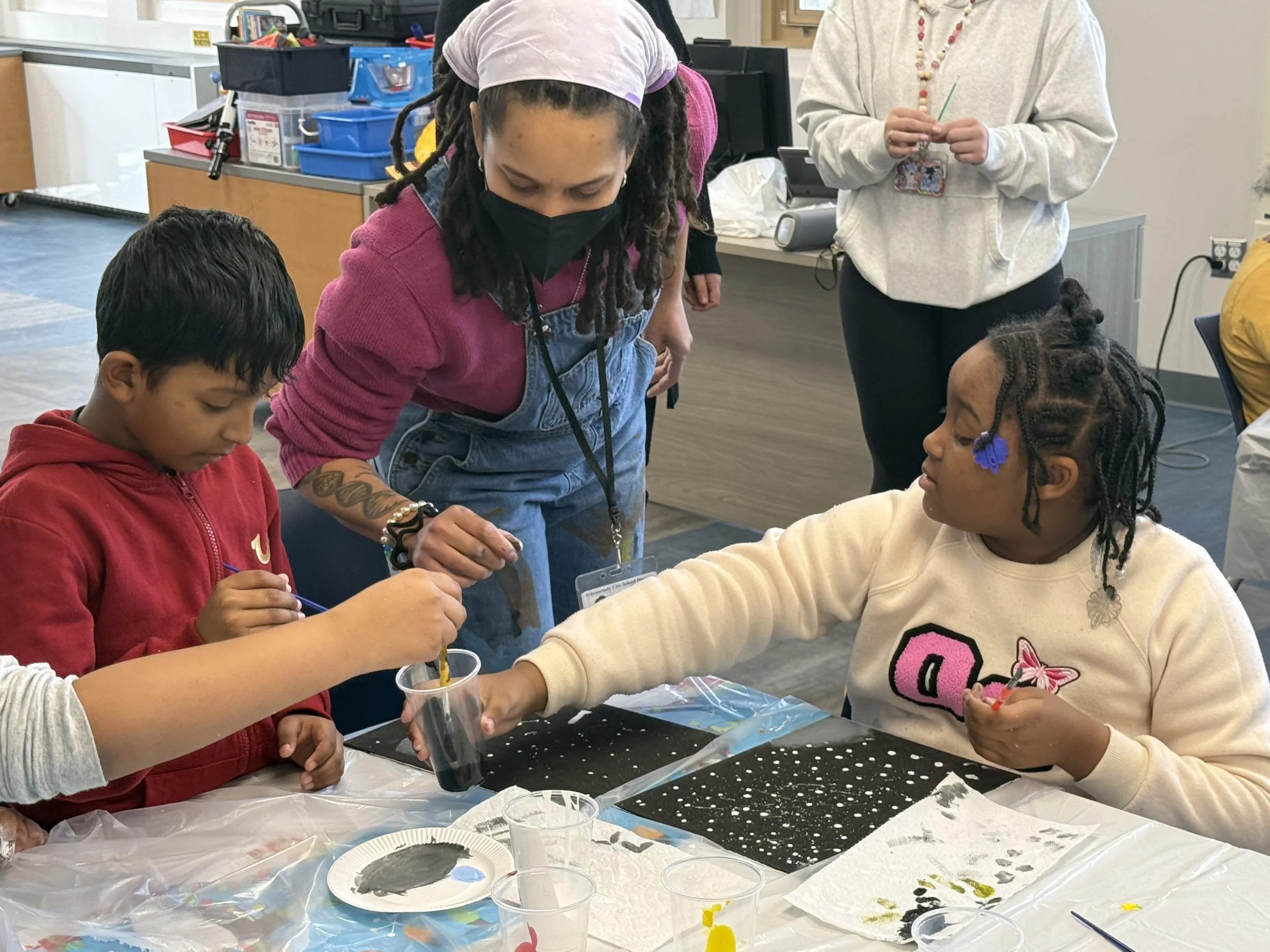
When students used their artwork as a starting point, the words came easier. They wrote richer, more descriptive paragraphs, weaving in new vocabulary like atmosphere, crater, and orbit. The art gave them something concrete to describe, which took away the pressure of staring at a blank page.
That drop in writing anxiety mattered. For many kids, the fear of getting it "wrong" is the hardest part of writing. Art gave them a confident place to begin—and their words followed.
Learning That Includes Everyone
Perhaps the most meaningful outcome was how the project reached every single student.
For English Language Learners, the artwork offered an equitable entry point into the lesson. Visual and kinesthetic learners finally had a way to demonstrate their reading comprehension that didn't rely solely on text. And students who often struggle with traditional academics found a chance to shine.
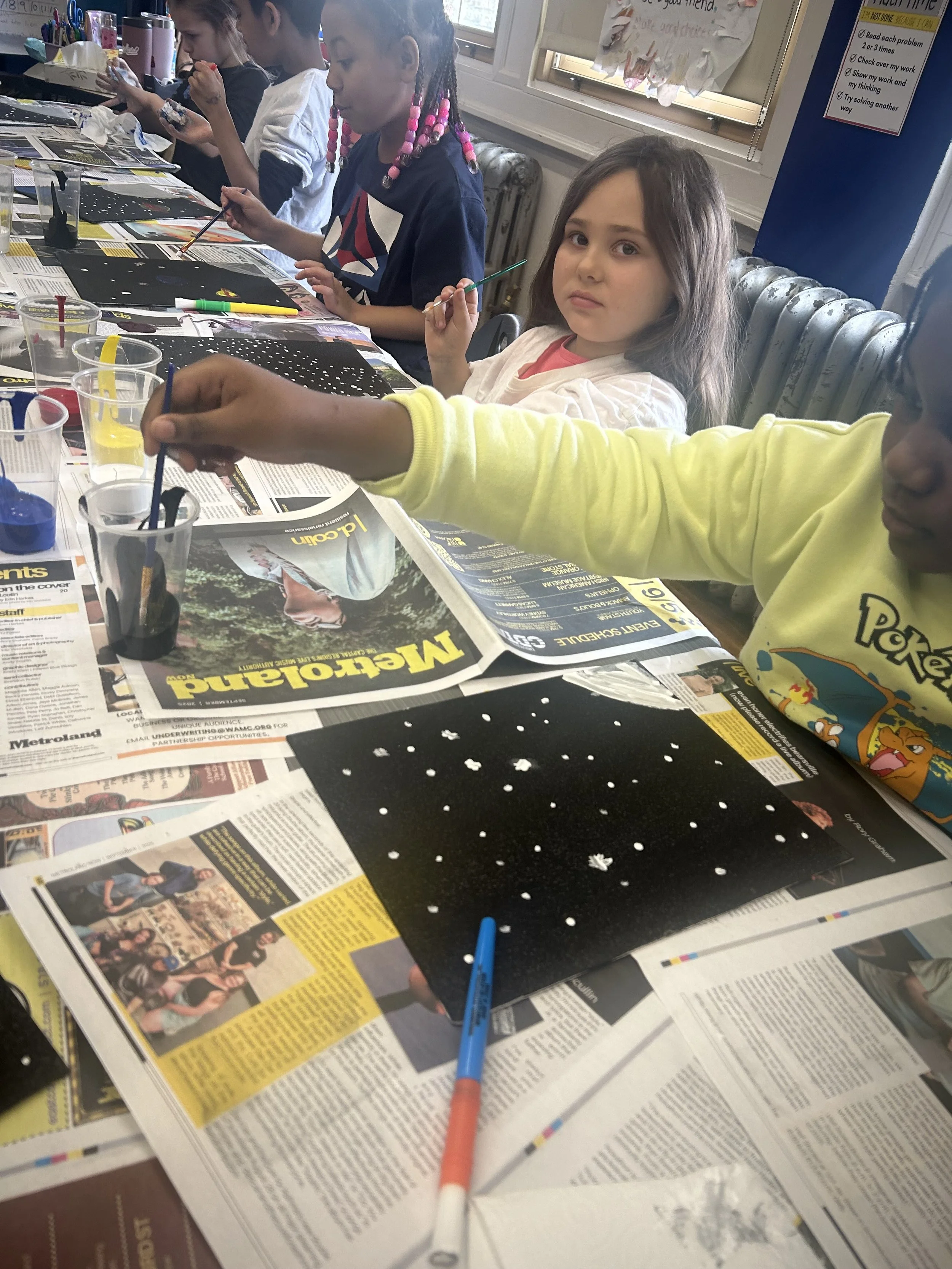
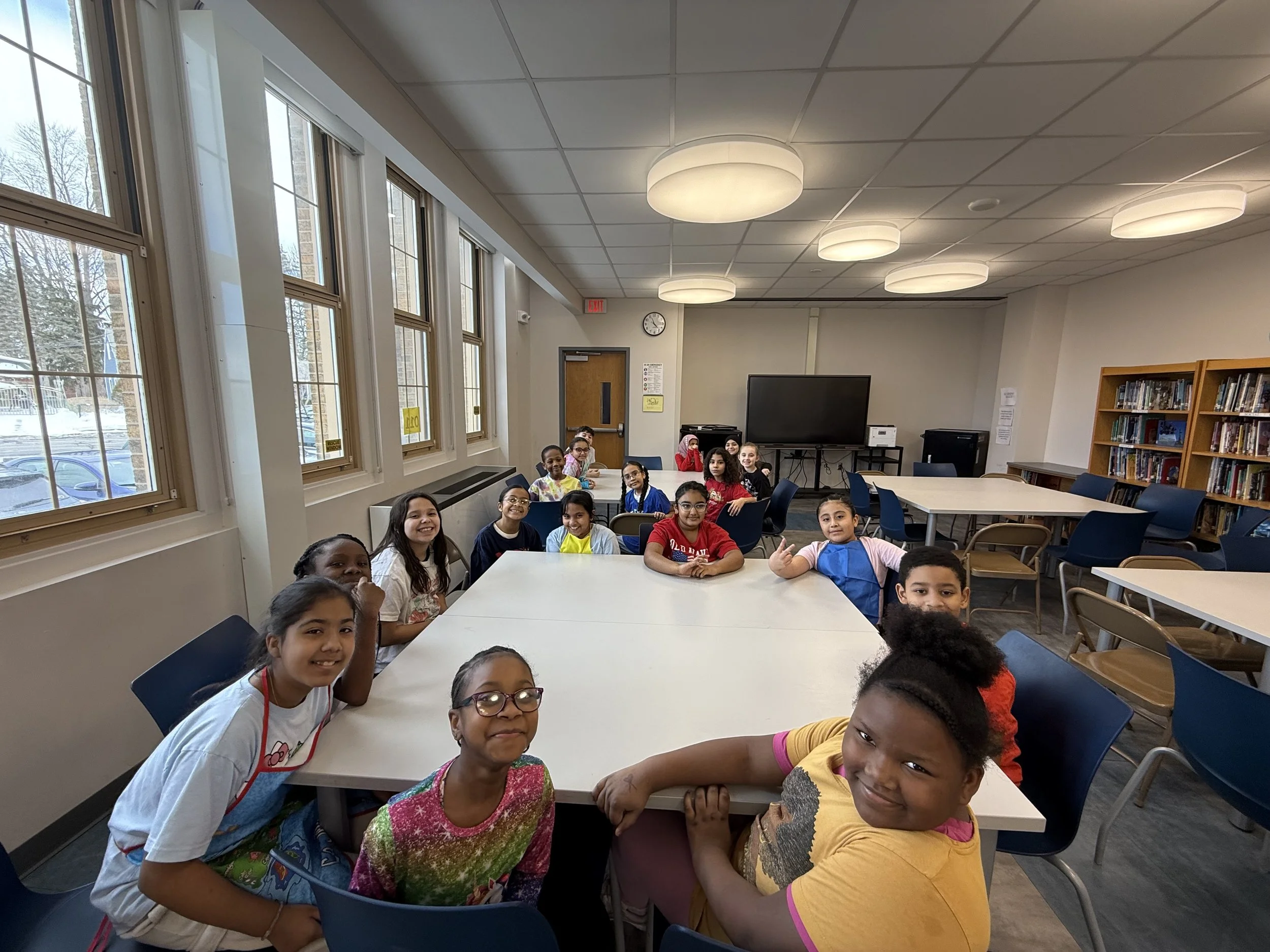
Best of all? Every child participated—even the ones who felt hesitant at first. By the end of the day, they were all in, building, painting, and writing about the universe with pride.
Thank You to Our Supporters
Projects like this remind us what's possible when we give students creative ways to learn. A space art project didn't just teach kids about planets—it deepened their reading, expanded their vocabulary, and helped every learner find their place in the lesson.
None of it would have happened without the generosity of our community. A heartfelt thank you to everyone who supports the Schenectady City School District Educational Foundation. Your belief in our teachers and students turns big ideas into bright, unforgettable moments of learning.
Here's to the third graders at Pleasant Valley—and to reaching for the stars, one canvas at a time. 🌟
